

Understanding What Balance and Happiness Mean
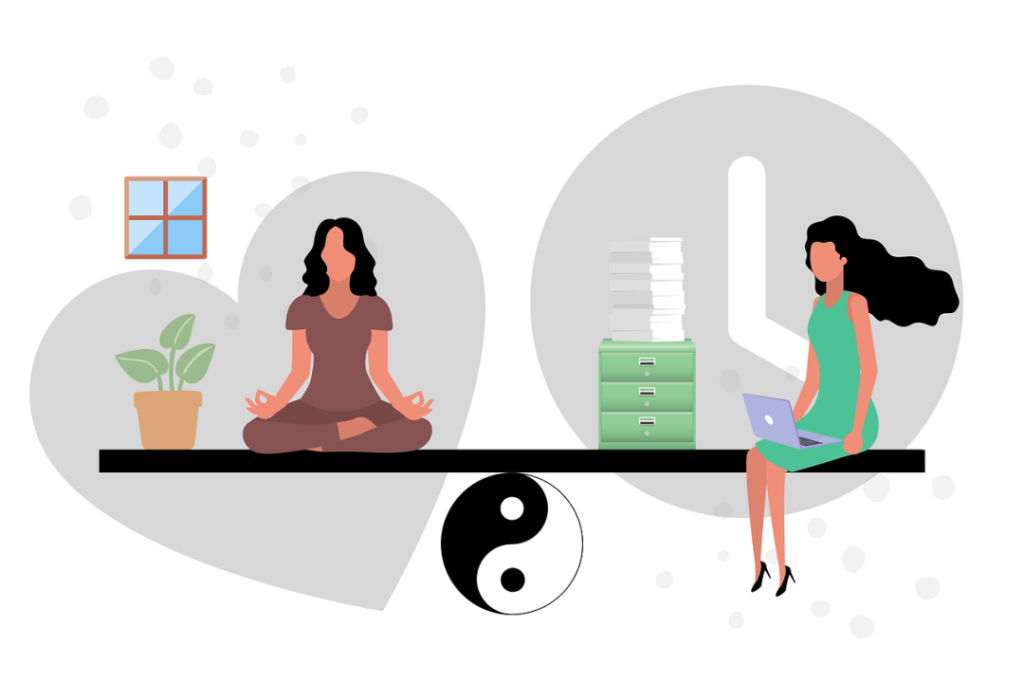
Living a balanced and happy life doesn’t mean everything is perfect all the time. It means you are able to manage different areas of your life—work, health, relationships, and personal growth—without feeling constantly overwhelmed. Happiness, in this sense, is not just about big achievements or exciting moments. It’s about feeling content, peaceful, and satisfied with your everyday life. When balance and happiness come together, life feels more meaningful and less stressful.
The Importance of Self-Awareness
The first step toward a better life is understanding yourself. Many people feel stuck or unhappy simply because they haven’t taken the time to reflect on what they truly want. Ask yourself what makes you feel fulfilled and what drains your energy. When you become aware of your habits, emotions, and priorities, you can start making better decisions that align with your goals and values.
Taking Care of Your Physical Health
Your physical health plays a major role in how you feel mentally and emotionally. A tired body often leads to a tired mind. Simple habits like getting enough sleep, eating nutritious food, and staying active can significantly improve your mood and energy levels. You don’t need a strict fitness routine—small, consistent efforts like walking daily or stretching can make a big difference over time.
Nurturing Mental and Emotional Well-being
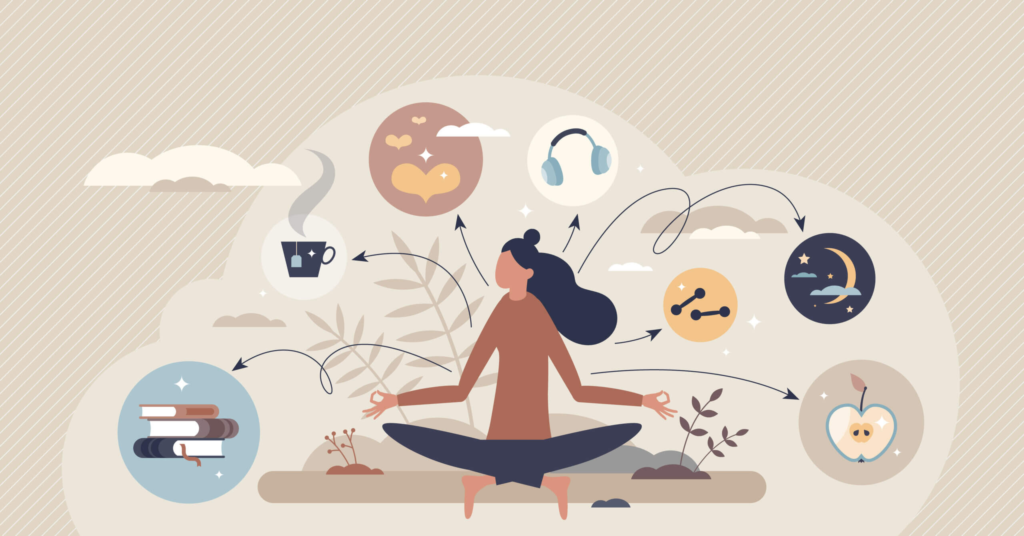
A balanced life requires a healthy mind. Stress, anxiety, and overthinking can quickly disrupt your peace if not managed properly. Taking time to relax, meditate, or simply disconnect from digital distractions can help you regain clarity. Talking to someone you trust or writing down your thoughts can also help you process emotions and feel lighter.
Setting Healthy Boundaries
One of the most important yet overlooked aspects of a balanced life is setting boundaries. Saying “yes” to everything can leave you exhausted and overwhelmed. Learning to say “no” when necessary allows you to protect your time and energy. Healthy boundaries help you focus on what truly matters and prevent burnout.
Building a Simple and Flexible Routine
Having a daily routine can bring a sense of structure and control to your life. It doesn’t have to be complicated—just a few consistent habits can make your day smoother. Starting your morning calmly, planning your tasks, and setting aside time to relax can improve both productivity and peace of mind. A good routine supports balance without making life feel rigid.

Strengthening Relationships
Human connection is a key part of happiness. Spending quality time with family and friends, having meaningful conversations, and feeling supported can greatly improve your emotional well-being. It’s not about having many people around you, but about having genuine relationships that bring positivity and comfort into your life.
Making Time for Joy and Passion
Life shouldn’t revolve only around responsibilities. Doing things you genuinely enjoy is essential for happiness. Whether it’s a hobby, creative activity, or simply relaxing, these moments help you recharge and feel more alive. Making time for what you love reminds you that life is not just about productivity, but also about enjoyment.
Managing Stress in Healthy Ways
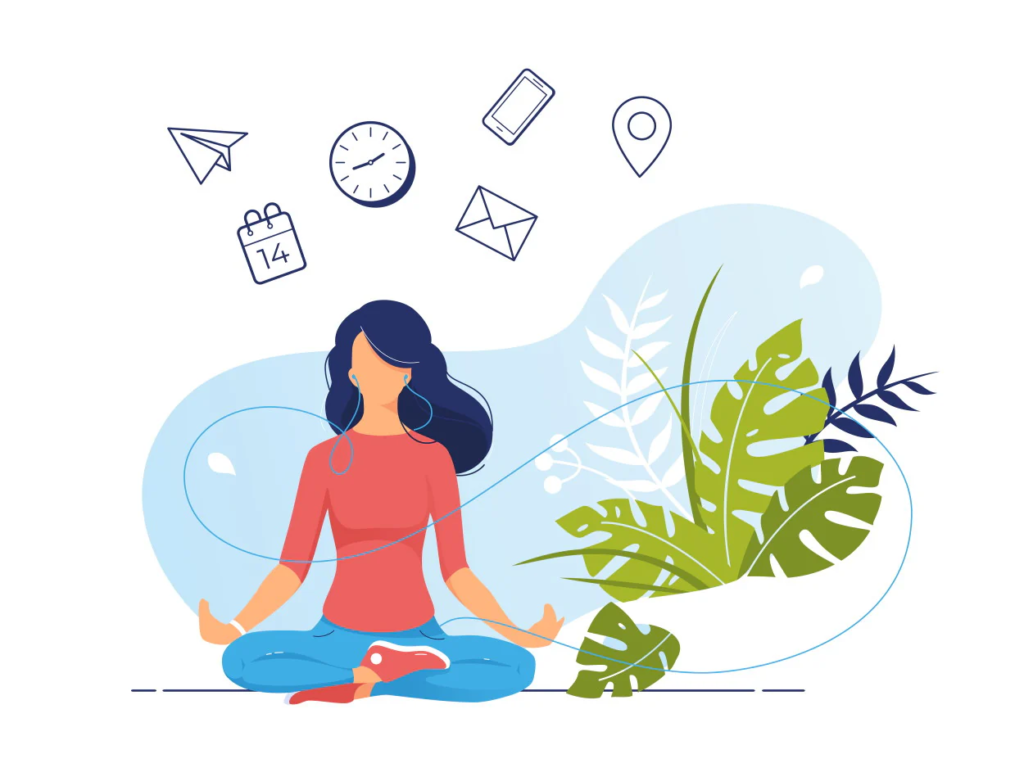
Stress is a natural part of life, but how you handle it matters. Instead of ignoring stress or letting it build up, find healthy ways to release it. Activities like exercise, deep breathing, or spending time in nature can calm your mind. Taking short breaks during busy days can also prevent you from feeling overwhelmed.
Focusing on Progress, Not Perfection
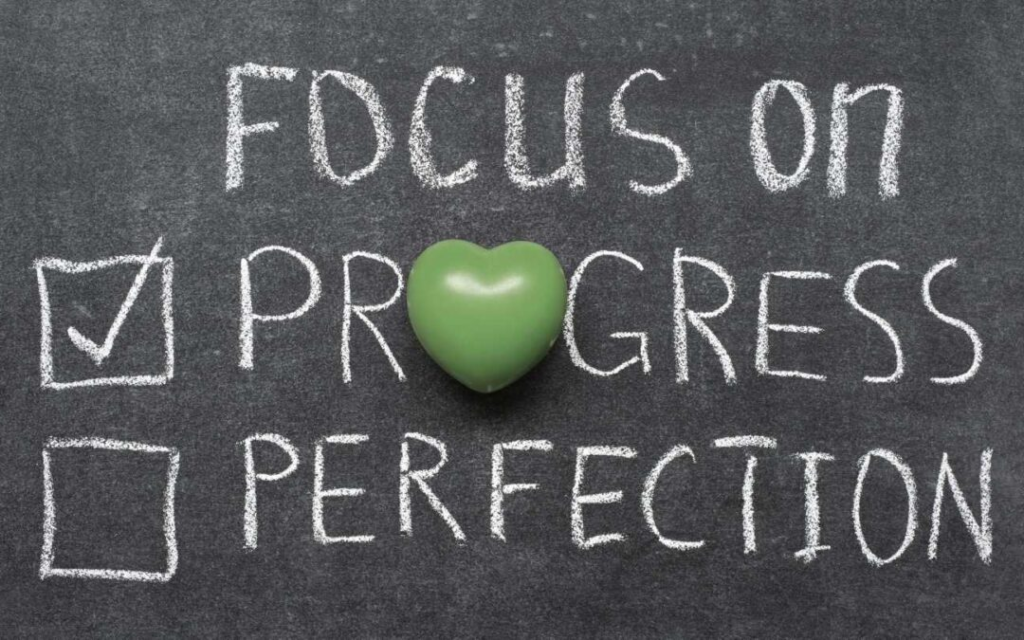
Many people struggle to feel happy because they chase perfection. In reality, no life is perfect, and expecting it to be can lead to constant disappointment. It’s more important to focus on progress and personal growth. Celebrate small achievements and learn from your mistakes instead of being too hard on yourself.
Practicing Gratitude and Mindfulness
Happiness often comes from appreciating what you already have. Practicing gratitude helps shift your focus from what’s missing to what’s present in your life. Mindfulness, or being fully present in the moment, allows you to enjoy simple experiences without distraction. Together, these habits create a deeper sense of peace and contentment.