

Changing your lifestyle sounds exciting in theory, but in reality, it can feel exhausting before you even begin. You might have a vision of waking up early, eating healthier, staying productive, and feeling more balanced, yet the thought of making all those changes at once can leave you stuck. The truth is, most people don’t fail because they lack motivation. They fail because they try to change everything too quickly.
Transforming your lifestyle does not require a complete life overhaul overnight. In fact, the most lasting changes happen slowly, in ways that feel natural rather than forced. When you approach change with patience and clarity, you create a lifestyle that not only improves your life but also feels sustainable.
Understanding Why Lifestyle Changes Feel Overwhelming

Before you can successfully transform your lifestyle, it is important to understand why it feels overwhelming in the first place. Many people set unrealistic expectations for themselves. They try to fix their habits, routines, mindset, and goals all at once. This creates pressure, and instead of progress, it leads to burnout.
Another reason is comparison. Social media often shows polished versions of people’s lives, making it seem like everyone else has everything figured out. When you compare your starting point to someone else’s highlight reel, it can make your own journey feel inadequate.
There is also the fear of failure. When you aim for perfection, even small mistakes can feel like setbacks. This mindset makes it difficult to stay consistent, which is actually the key to long-term change.
Recognizing these mental barriers helps you approach transformation with a healthier perspective. It shifts your focus from perfection to progress.
Shifting Your Mindset Before Taking Action
A lasting lifestyle transformation begins in your mind, not your schedule. If you believe that change has to be difficult or uncomfortable, you are more likely to resist it. Instead, it is important to see change as a gradual process that works with your life, not against it.
Start by letting go of the idea that you need to become a completely different person. You are not starting from scratch. You are simply evolving into a better version of yourself. This shift in thinking reduces pressure and makes the journey feel more achievable.
It is also helpful to focus on identity rather than outcomes. Instead of saying you want to exercise more, think of yourself as someone who values movement. Instead of aiming to eat perfectly, see yourself as someone who makes healthier choices most of the time. This subtle shift changes your behavior naturally over time.
Starting Small and Building Momentum
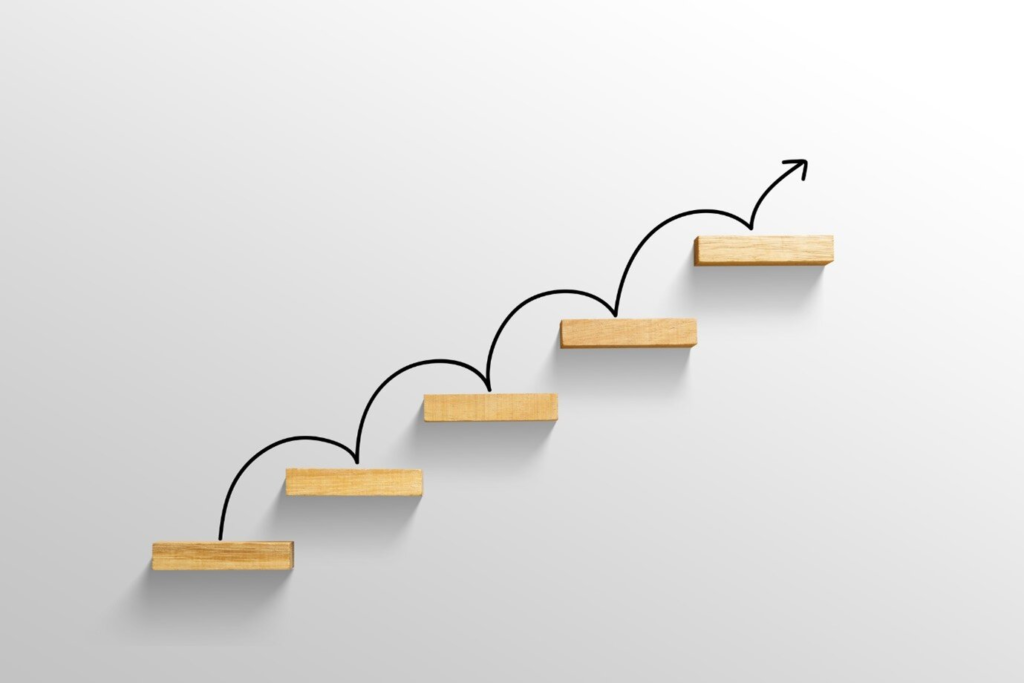
One of the most effective ways to avoid feeling overwhelmed is to start small. Big changes are often built on tiny habits that seem insignificant at first but grow into powerful routines.
When you focus on one or two small changes, you give yourself the chance to succeed. This builds confidence and creates momentum. Over time, these small wins add up and create noticeable improvements in your lifestyle.
For example, instead of completely changing your diet, you might start by drinking more water or adding one healthy meal to your day. Instead of forcing yourself into a strict workout routine, you could begin with short walks or light stretching.
These small actions may not seem life-changing on their own, but they lay the foundation for bigger transformations.
One of the most effective ways to avoid feeling overwhelmed is to start small. Big changes are often built on tiny habits that seem insignificant at first but grow into powerful routines.
When you focus on one or two small changes, you give yourself the chance to succeed. This builds confidence and creates momentum. Over time, these small wins add up and create noticeable improvements in your lifestyle.
For example, instead of completely changing your diet, you might start by drinking more water or adding one healthy meal to your day. Instead of forcing yourself into a strict workout routine, you could begin with short walks or light stretching.
These small actions may not seem life-changing on their own, but they lay the foundation for bigger transformations.
Creating a Routine That Works for You
A successful lifestyle transformation is not about copying someone else’s routine. It is about creating one that fits your life, your energy levels, and your priorities.
Many people struggle because they try to follow rigid schedules that do not align with their natural rhythms. This leads to frustration and inconsistency. Instead, focus on building a flexible routine that supports your daily life.
Think about when you feel most productive, when you need rest, and what activities bring you a sense of balance. Your routine should feel supportive, not restrictive.
When your habits fit naturally into your day, they are much easier to maintain. Consistency becomes less about discipline and more about flow.
Letting Go of Perfection
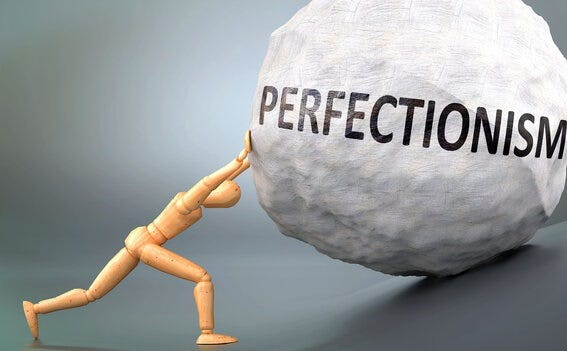
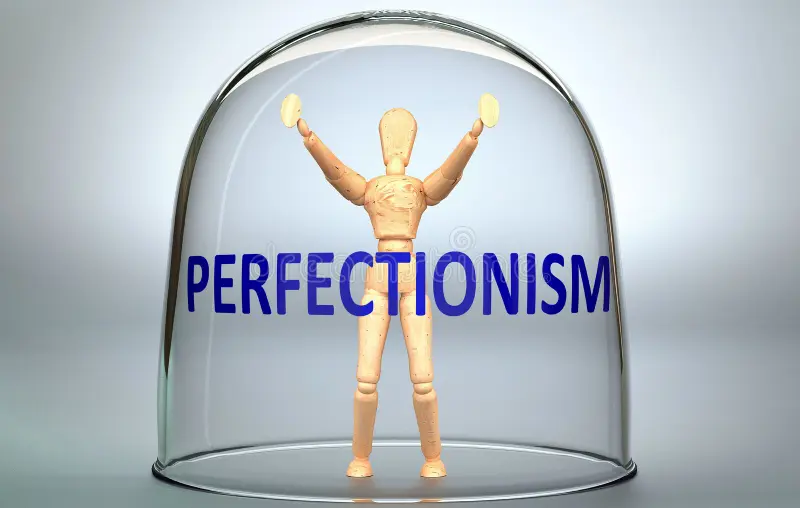
Perfection is one of the biggest obstacles to lifestyle change. When you set unrealistic standards, it becomes difficult to stay consistent. Missing one workout or having an unhealthy meal can feel like failure, even though it is completely normal.
The truth is, progress is never linear. There will be good days and challenging ones. What matters is your ability to keep going despite imperfections.
Instead of aiming for perfection, aim for consistency. Showing up most of the time is far more powerful than trying to be perfect all the time. This mindset reduces stress and allows you to enjoy the process.
Prioritizing What Truly Matters
Not every aspect of your lifestyle needs to change at once. Trying to improve everything simultaneously can dilute your focus and energy. Instead, identify what matters most to you.
This could be your health, your mental well-being, your relationships, or your work-life balance. Once you know your priorities, you can focus your efforts where they will have the greatest impact.
When your actions align with your values, your lifestyle changes feel more meaningful. This sense of purpose makes it easier to stay committed.
Building Healthy Habits That Stick
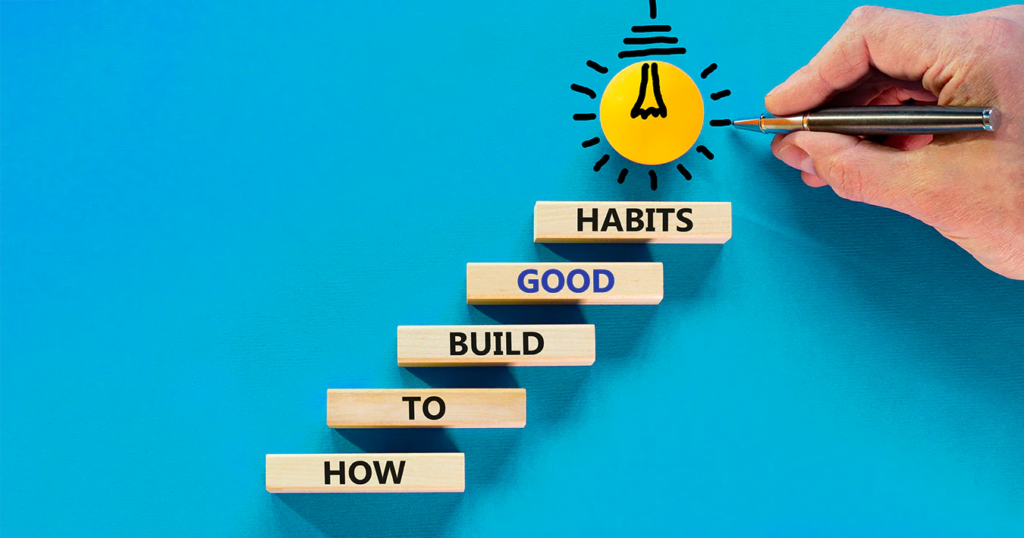

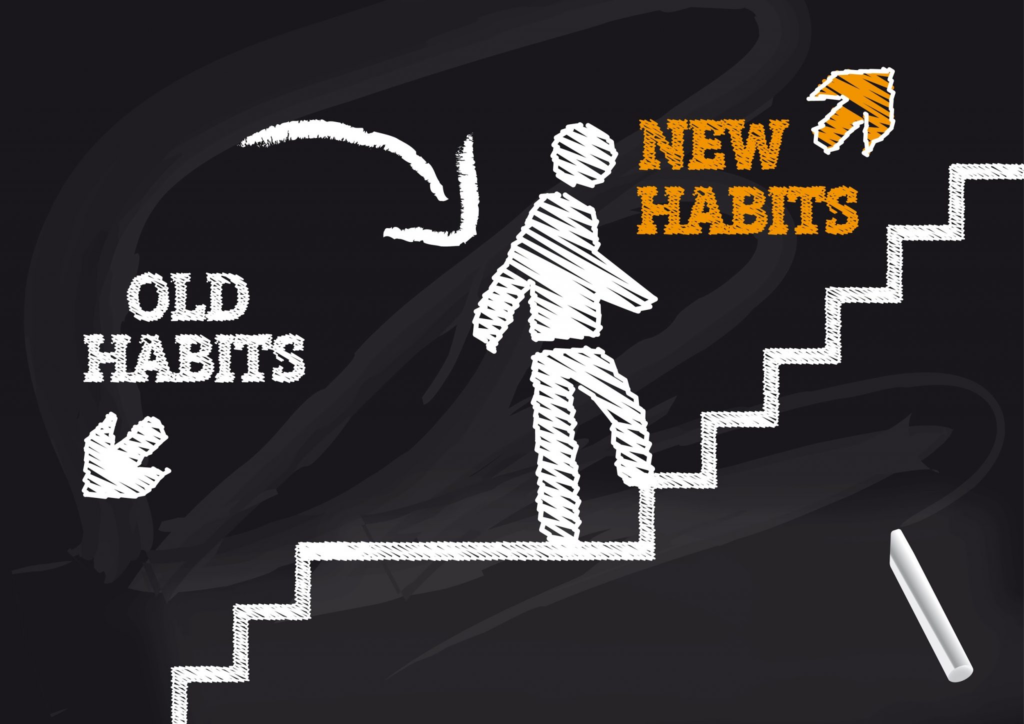
Habits are the building blocks of your lifestyle. The key to building habits that last is making them simple and consistent.
When a habit feels too difficult or time-consuming, it is less likely to stick. Start with actions that are easy to repeat, even on busy or low-energy days. Over time, you can gradually increase the intensity or duration.
Consistency is what turns actions into habits. The more often you repeat a behavior, the more natural it becomes. Eventually, it requires less effort and becomes part of your routine.
Managing Stress During the Process
Lifestyle transformation should improve your life, not add more stress to it. However, change can sometimes feel uncomfortable, especially when you are stepping out of your comfort zone.
It is important to take care of your mental and emotional well-being during this process. Give yourself permission to rest when needed. Listen to your body and avoid pushing yourself too hard.
Incorporating moments of relaxation, such as quiet time, mindfulness, or simply doing something you enjoy, can help balance the process. When you manage stress effectively, you are more likely to stay consistent.
Celebrating Progress Along the Way

One of the most overlooked aspects of lifestyle change is acknowledging progress. Many people focus so much on their end goals that they forget to appreciate how far they have come.
Celebrating small wins can boost motivation and reinforce positive behaviors. It reminds you that your efforts are making a difference, even if the results are gradual.
Progress may not always be visible immediately, but every positive choice contributes to your overall transformation. Recognizing this helps you stay encouraged and committed.
Embracing the Journey Instead of Rushing the Outcome
Transforming your lifestyle is not a race. It is an ongoing journey that evolves over time. When you rush the process, you risk burnout and frustration.
Instead, focus on enjoying the journey. Pay attention to how your habits make you feel, rather than just the results they produce. When you find satisfaction in the process, it becomes easier to stay consistent.
A sustainable lifestyle is not built on quick fixes. It is created through steady, intentional changes that become part of who you are.
Conclusion
Transforming your lifestyle without feeling overwhelmed is possible when you approach it with patience, clarity, and self-compassion. The key is not to change everything at once, but to focus on small, meaningful steps that build over time.
By shifting your mindset, starting small, creating a flexible routine, and letting go of perfection, you can create lasting change without unnecessary stress. Remember that your journey is unique, and there is no single right way to improve your life.
What matters most is that your lifestyle supports your well-being and helps you feel more balanced, fulfilled, and in control. With consistent effort and a positive approach, transformation becomes not only achievable but also enjoyable.
Frequently Asked Questions (FAQs)
1.How long does it take to transform your lifestyle?
The time it takes varies for each person. Some changes can be felt within a few weeks, but lasting transformation often takes months of consistent effort. The focus should be on progress rather than speed.
2.What is the best way to start changing your lifestyle?
The best way to start is by choosing one small habit that you can easily maintain. Building consistency with small actions creates a strong foundation for bigger changes.
3.How do I stay motivated during lifestyle changes?
Motivation can come and go, so it is important to rely on consistency and discipline. Reminding yourself of your reasons for change and celebrating small progress can help you stay on track.
4.What if I feel overwhelmed while trying to change?
If you feel overwhelmed, it is a sign that you may be trying to do too much at once. Take a step back, simplify your goals, and focus on one or two changes at a time.
5.Can small lifestyle changes really make a big difference?
Yes, small changes can have a significant impact over time. When practiced consistently, even simple habits can lead to meaningful improvements in your overall lifestyle.
Confidence Building for Beginners: How to Start Believing in Yourself Today
There’s a quiet struggle many people carry that others rarely see. It shows up in…

Self-Care Tips for Wellness: How to Feel Calm, Focused, and Energized
There are days when everything feels heavy. Your mind is crowded, your body feels slow,…

10 Powerful Lifestyle Changes to Improve Your Life Naturally
Have you ever had one of those days where everything feels heavy, even when you…

8 Common Relationship Mistakes and How to Avoid Them
Relationships are one of the most meaningful parts of life. They bring companionship, support, and…

15 Simple Ways to Increase Productivity at Work and Home
Productivity is often misunderstood as doing more in less time, but in reality, it is…

How to Build a Healthy and Balanced Lifestyle Step by Step
In today’s fast-moving world, the idea of living a healthy and balanced lifestyle often feels…