

There are days when everything feels heavy. Your mind is crowded, your body feels slow, and even simple tasks seem overwhelming. You tell yourself you’ll fix things tomorrow, but tomorrow arrives with the same tired energy. If this sounds familiar, you’re not alone. Many people are quietly struggling to feel balanced in a world that rarely slows down.
The truth is, wellness doesn’t come from one big change. It grows gently through small, intentional acts of self-care that reconnect you with yourself. When done consistently, these small shifts can help you feel calmer, think clearly, and move through your day with renewed energy.
This isn’t about perfection. It’s about learning how to listen to your needs and respond with kindness.
Understanding What Self-Care Really Means

Self-care is often misunderstood as something luxurious or time-consuming. In reality, it’s much simpler and more personal than that. It’s the act of paying attention to your mental, emotional, and physical needs and responding in ways that support your well-being.
Sometimes self-care looks like resting when you’re tired. Other times, it’s pushing yourself gently when you feel stuck. It’s not always comfortable, but it is always necessary.
When you begin to practice real self-care, you start noticing subtle changes. Your thoughts become less chaotic. Your body feels lighter. Your reactions soften. You begin to feel like yourself again.
Slowing Down to Find Calm
Calmness doesn’t come from doing more. It comes from doing less, but with intention.
In a fast-paced world, your nervous system rarely gets a chance to relax. You move from one task to another, often carrying stress without realizing it. Learning to slow down, even for a few minutes, can reset your entire day.
Try creating small pauses in your routine where nothing is expected of you.
• Sit quietly with your thoughts without reaching for your phone
• Take a few deep breaths and notice how your body feels
• Step outside and let fresh air clear your mind
These moments may seem insignificant, but they create space for your mind to rest. Over time, you’ll notice that you respond to situations with more clarity instead of reacting impulsively.
Calmness is not something you chase. It’s something you allow.
Clearing Mental Clutter to Improve Focus
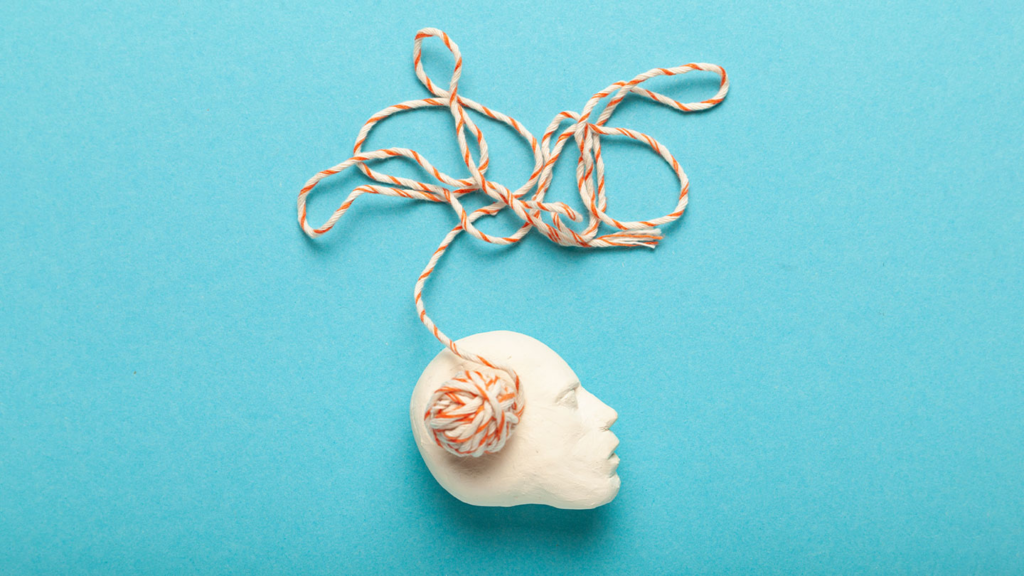
A distracted mind can feel exhausting. When your thoughts are scattered, even simple decisions become difficult. This mental clutter often comes from doing too much at once and not giving your brain enough time to process.
Focus begins when you simplify.
Instead of trying to manage everything at once, gently bring your attention back to one thing. Let go of the pressure to multitask and give yourself permission to move at a steady pace.
• Write down your thoughts to release mental overload
• Break tasks into smaller, manageable parts
• Give yourself short breaks to reset your concentration
When your mind is clear, your energy flows differently. You feel more present, more in control, and less overwhelmed by the noise around you.
Focus is not about forcing your mind to stay still. It’s about creating an environment where clarity can naturally emerge.
Nourishing Your Body for Lasting Energy
Energy is not just about how much you sleep. It’s deeply connected to how you treat your body throughout the day.
When you ignore your body’s needs, it finds ways to remind you. Fatigue, irritability, and lack of motivation are often signals that something is out of balance.
Start by tuning into what your body is asking for.
• Eat meals that make you feel satisfied rather than sluggish
• Drink enough water to stay refreshed and alert
• Move your body in ways that feel natural, not forced
You don’t need a perfect routine. You need consistency and awareness. Even small adjustments can bring noticeable changes in how you feel.
When your body is supported, your mind follows. You begin to feel more alive, more capable, and more willing to engage with your day.
The Emotional Side of Self-Care

Wellness is not just physical. It lives deeply in your emotions.
There are moments when you feel overwhelmed, anxious, or simply not okay. Instead of pushing these feelings away, self-care invites you to sit with them and understand what they’re trying to tell you.
Ignoring emotions doesn’t make them disappear. It often makes them louder.
Allow yourself to feel without judgment. Talk to someone you trust. Write your thoughts down. Give yourself the same compassion you would offer a friend.
• Acknowledge your feelings instead of suppressing them
• Create space for emotional release without guilt
• Remind yourself that it’s okay to not have everything figured out
Emotional self-care is powerful because it helps you heal from within. When your emotions are supported, you feel lighter and more at peace with yourself.
Creating a Gentle Daily Rhythm
You don’t need a strict routine to feel balanced. What you need is a rhythm that supports your natural flow.
Some days you’ll feel productive. Other days you’ll need rest. Both are equally important.
Instead of forcing yourself into a rigid schedule, create a flexible structure that adapts to your needs.
Start your day with something grounding. Move through your tasks with intention. End your day with a moment of reflection.
This rhythm doesn’t have to be perfect. It just needs to feel right for you.
Over time, this gentle consistency builds a sense of stability. You begin to trust yourself more. You feel less rushed and more in tune with your own pace.
Letting Go of Pressure and Perfection

One of the biggest obstacles to wellness is the pressure to do everything perfectly. You may feel like you’re not doing enough or not doing things the right way.
But self-care is not a performance. It’s a relationship with yourself.
Some days will be easier than others. You might skip a habit or lose motivation. That doesn’t mean you’ve failed. It means you’re human.
Instead of being hard on yourself, try to return with kindness.
• Let go of unrealistic expectations
• Focus on progress instead of perfection
• Celebrate small efforts, even if they seem insignificant
When you release pressure, self-care becomes something you want to do, not something you feel forced to do.
Reconnecting with What Truly Matters
In the middle of daily responsibilities, it’s easy to lose touch with what brings you joy. You move through life on autopilot, forgetting to pause and ask yourself what truly matters.
Self-care is also about reconnecting with those things.
It could be spending time with loved ones, engaging in a hobby, or simply enjoying a quiet moment alone. These experiences add meaning to your life and remind you that wellness is not just about functioning, but about feeling fulfilled.
When you reconnect with what matters, your energy shifts. You feel more grounded and more aligned with yourself.
Building Self-Care Into Your Lifestyle
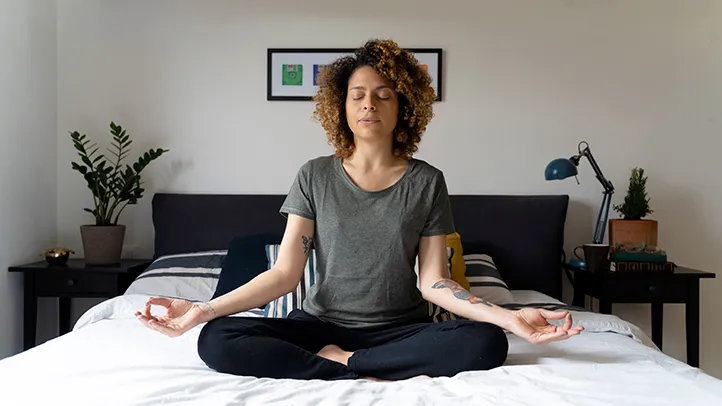
Self-care is not something you do once in a while. It becomes meaningful when it’s part of your everyday life.
This doesn’t mean you need hours of free time. It means being intentional with the moments you already have.
Choose small actions that fit naturally into your routine. Let them grow slowly. Allow them to evolve as your needs change.
The goal is not to create a perfect system. It’s to create a life where you feel supported, calm, and energized from within.
Self-care is not something you do once in a while. It becomes meaningful when it’s part of your everyday life.
This doesn’t mean you need hours of free time. It means being intentional with the moments you already have.
Choose small actions that fit naturally into your routine. Let them grow slowly. Allow them to evolve as your needs change.
The goal is not to create a perfect system. It’s to create a life where you feel supported, calm, and energized from within.
A Quiet Reminder to Yourself
You don’t need to wait for the perfect moment to start taking care of yourself. You can begin right now, in the middle of your busy, imperfect day.
Take a breath. Notice where you are. Ask yourself what you need in this moment.
Self-care doesn’t have to be complicated. It just has to be honest.
When you choose to care for yourself, even in small ways, you begin to create a life that feels softer, calmer, and more meaningful.
FAQs
Confidence Building for Beginners: How to Start Believing in Yourself Today
There’s a quiet struggle many people carry that others rarely see. It shows up in…

10 Powerful Lifestyle Changes to Improve Your Life Naturally
Have you ever had one of those days where everything feels heavy, even when you…

8 Common Relationship Mistakes and How to Avoid Them
Relationships are one of the most meaningful parts of life. They bring companionship, support, and…

15 Simple Ways to Increase Productivity at Work and Home
Productivity is often misunderstood as doing more in less time, but in reality, it is…

How to Build a Healthy and Balanced Lifestyle Step by Step
In today’s fast-moving world, the idea of living a healthy and balanced lifestyle often feels…

7 Life-Changing Personal Growth Habits You Need to Try
Personal growth is not something that happens overnight. It is a continuous journey shaped by…