

In today’s fast-moving world, the idea of living a healthy and balanced lifestyle often feels overwhelming. With endless advice, trends, and expectations, it is easy to feel confused about where to begin. Many people believe that creating a better lifestyle requires drastic changes, strict routines, or complete transformations overnight. The truth is far simpler and far more achievable.
A healthy and balanced lifestyle is not about perfection. It is about making small, intentional choices that support your well-being over time. It is about creating a rhythm in your life that allows you to feel energized, focused, and fulfilled.
As more people search for ways to improve their daily lives on platforms like Google, one thing becomes clear. People are not just looking for quick fixes. They are looking for sustainable ways to live better.
Building a balanced lifestyle is a journey. It happens step by step, through awareness, consistency, and patience.

Before you start making changes, it is important to understand what a balanced lifestyle actually looks like.
Balance does not mean dividing your time equally between work, health, relationships, and rest. Instead, it means giving attention to what matters most at the right time.
A balanced lifestyle supports your physical health, mental well-being, emotional stability, and personal growth.
It allows you to meet your responsibilities without feeling overwhelmed.
It also gives you space to relax and recharge.
When you understand this, the idea of balance becomes more flexible and realistic.
Step One: Becoming Aware of Your Current Habits
The first step toward building a healthier lifestyle is awareness.
You need to understand how you are currently living.
This includes your daily routines, habits, and choices.
Take a moment to reflect on how you spend your time.
Notice your patterns.
Are there habits that support your well-being?
Are there habits that drain your energy?
This awareness is not about judgment.
It is about understanding where you are so you can decide where you want to go.
Step Two: Setting Clear and Meaningful Intentions

Once you have awareness, the next step is setting intentions.
Intentions are different from goals.
Goals focus on outcomes, while intentions focus on how you want to live.
For example, instead of saying you want to exercise more, your intention might be to take care of your body.
These intentions guide your actions.
They help you stay aligned with your values.
When your actions reflect your intentions, your lifestyle becomes more meaningful.
Step Three: Creating a Simple and Flexible Routine
A routine provides structure to your day.
It helps you stay organized and reduces decision fatigue.
However, it is important to keep your routine simple and flexible.
A rigid routine can feel restrictive.
A flexible routine allows you to adapt to changes.
Start by identifying key activities that support your well-being.
This can include movement, rest, work, and personal time.
Organize these activities in a way that feels natural.
Over time, your routine will become a supportive framework rather than a burden.
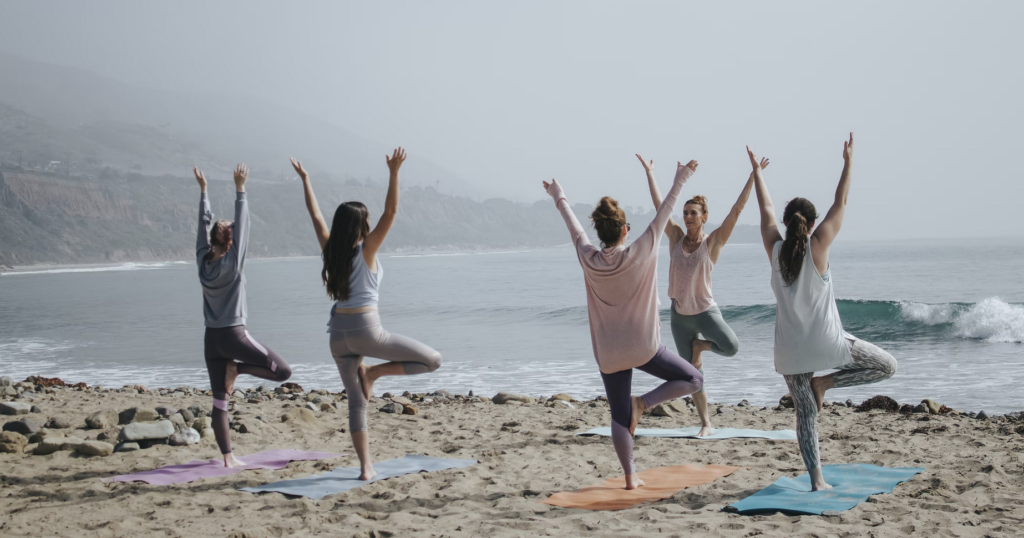
Your physical health is a foundation of a balanced lifestyle.
Taking care of your body helps you maintain energy and focus.
This does not mean following extreme diets or intense workouts.
It means making consistent, healthy choices.
Movement is important.
Find activities that you enjoy.
This makes it easier to stay consistent.
Nutrition also plays a role.
Focus on balanced meals that nourish your body.
Sleep is equally important.
Rest allows your body to recover and function properly.
Step Five: Supporting Your Mental Well-Being
Mental well-being is just as important as physical health.
Your thoughts influence your emotions and actions.
Taking care of your mind helps you stay balanced.
This can involve practices like mindfulness, reflection, or simply taking breaks.
Reducing stress is an important part of mental well-being.
This does not mean avoiding challenges.
It means finding healthy ways to manage them.
Creating moments of calm in your day can make a big difference.
Step Six: Building Emotional Awareness

Emotions are a natural part of life.
Understanding them helps you respond rather than react.
Emotional awareness involves recognizing what you feel and why.
It also involves expressing your emotions in a healthy way.
This awareness strengthens your relationships.
It also helps you maintain balance during difficult times.
Step Seven: Managing Your Time and Energy
Time management is often emphasized, but energy management is equally important.
You may have time to complete tasks, but without energy, it becomes difficult.
Pay attention to when you feel most energized.
Use these moments for important tasks.
Allow yourself to rest when your energy is low.
Balancing time and energy helps you stay productive without feeling overwhelmed.

Rest is not a luxury.
It is a necessity.
Without rest, your body and mind cannot function effectively.
Creating space for rest allows you to recharge.
This includes sleep as well as breaks throughout the day.
Rest improves focus, mood, and overall well-being.
It also helps prevent burnout.
Step Nine: Building Healthy Relationships
Relationships play a significant role in your lifestyle.
Supportive relationships provide connection and encouragement.
They contribute to your emotional well-being.
Building healthy relationships involves communication, trust, and respect.
It also involves setting boundaries.
Surrounding yourself with positive influences supports your growth.

Consistency is key to building a balanced lifestyle.
However, it is important to avoid putting too much pressure on yourself.
Change takes time.
There will be days when things do not go as planned.
That is part of the process.
Focus on progress rather than perfection.
Small, consistent actions lead to lasting results.
Step Eleven: Adapting and Growing Over Time
Your lifestyle will evolve as your life changes.
What works for you now may not work in the future.
Being open to change allows you to adapt.
It helps you continue growing.
Regular reflection can help you adjust your habits and routines.
This ensures that your lifestyle remains aligned with your needs.
Creating a Lifestyle That Feels Good

At the end of the day, your lifestyle should feel good.
It should support your well-being and bring a sense of fulfillment.
This does not mean everything will always be easy.
It means that your choices align with your values.
When your lifestyle feels right, it becomes easier to maintain.
Conclusion
Building a healthy and balanced lifestyle is not about making drastic changes overnight. It is about taking small steps that lead to meaningful progress.
By becoming aware of your habits, setting intentions, and creating supportive routines, you can gradually improve your lifestyle.
This journey requires patience and consistency.
It also requires self-compassion.
There is no perfect way to live.
The goal is to create a life that feels balanced, fulfilling, and aligned with who you are.
When you approach lifestyle changes step by step, you make the process manageable.
Over time, these small changes add up.
They create a life that supports your health, happiness, and overall well-being.
FAQs
1. What is a balanced lifestyle?
A balanced lifestyle is one that supports your physical, mental, and emotional well-being while allowing time for work, rest, and personal life.
2. How can I start building a healthy lifestyle?
Start by becoming aware of your habits and making small, consistent changes that support your well-being.
3. Why is consistency important in lifestyle changes?
Consistency helps turn small actions into lasting habits, leading to long-term results.
4. How can I maintain balance in a busy life?
Focus on prioritizing what matters most, managing your time and energy, and creating space for rest.
5. Can small changes really improve my lifestyle?
Yes, small and consistent changes can lead to significant improvements over time.
Confidence Building for Beginners: How to Start Believing in Yourself Today
There’s a quiet struggle many people carry that others rarely see. It shows up in…

Self-Care Tips for Wellness: How to Feel Calm, Focused, and Energized
There are days when everything feels heavy. Your mind is crowded, your body feels slow,…

10 Powerful Lifestyle Changes to Improve Your Life Naturally
Have you ever had one of those days where everything feels heavy, even when you…

8 Common Relationship Mistakes and How to Avoid Them
Relationships are one of the most meaningful parts of life. They bring companionship, support, and…

15 Simple Ways to Increase Productivity at Work and Home
Productivity is often misunderstood as doing more in less time, but in reality, it is…

7 Life-Changing Personal Growth Habits You Need to Try
Personal growth is not something that happens overnight. It is a continuous journey shaped by…