
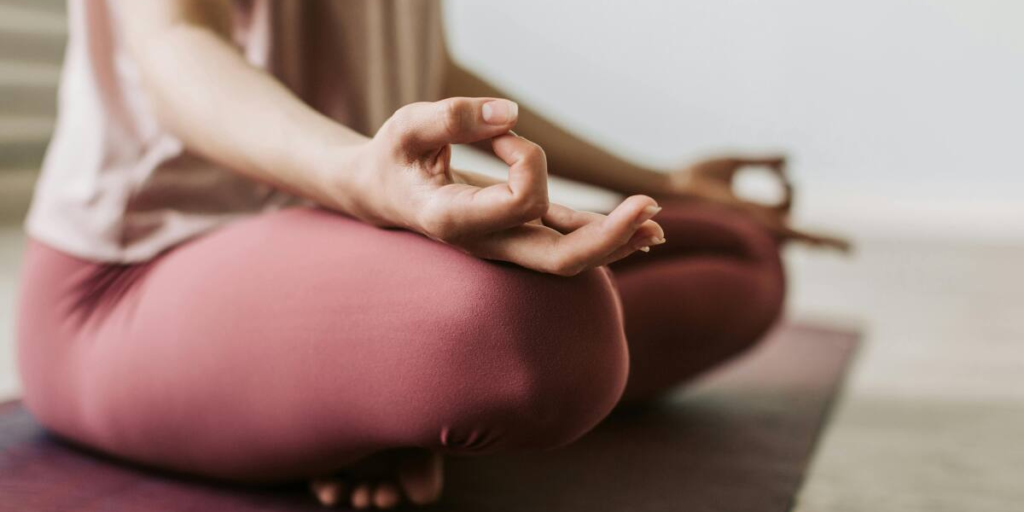
There was a time when wellness was often reduced to simple ideas like eating healthy or exercising regularly. While those things still matter, the meaning of wellness has evolved into something much deeper and more personal. Today, wellness is not just about physical health. It is about how you think, how you feel, how you live, and how you connect with yourself and the world around you.
As conversations around health continue to expand across platforms like Google, more people are realizing that true well-being cannot be achieved by focusing on just one area of life. Instead, it requires balance. A balance between mind, body, and daily living. This shift marks the beginning of a new era of wellness, one that values alignment over perfection and sustainability over extremes.
This modern approach to wellness is not about strict routines or unrealistic expectations. It is about creating a life that feels good from the inside out.
Understanding Wellness Beyond the Basics

Wellness today goes far beyond traditional ideas. It is not limited to physical fitness or diet plans. It includes mental clarity, emotional balance, and a sense of purpose.
At its core, wellness is about how you experience your life.
It is about waking up with energy, feeling connected to your actions, and having the ability to handle challenges with resilience.
This broader perspective makes wellness more meaningful.
It becomes something that supports your overall quality of life rather than just a checklist of habits.
The Importance of Mental Well-Being
Your mind plays a powerful role in your overall wellness. The way you think affects how you feel, and how you feel influences your actions.
In the new era of wellness, mental health is given the attention it deserves.
This means creating space for your thoughts, understanding your emotions, and developing a healthy relationship with your mind.
Mental well-being is not about eliminating stress completely.
It is about learning how to manage it in a way that does not overwhelm you.
Practices like reflection, mindfulness, and self-awareness can help you maintain a balanced state of mind.
Caring for Your Physical Health in a Balanced Way
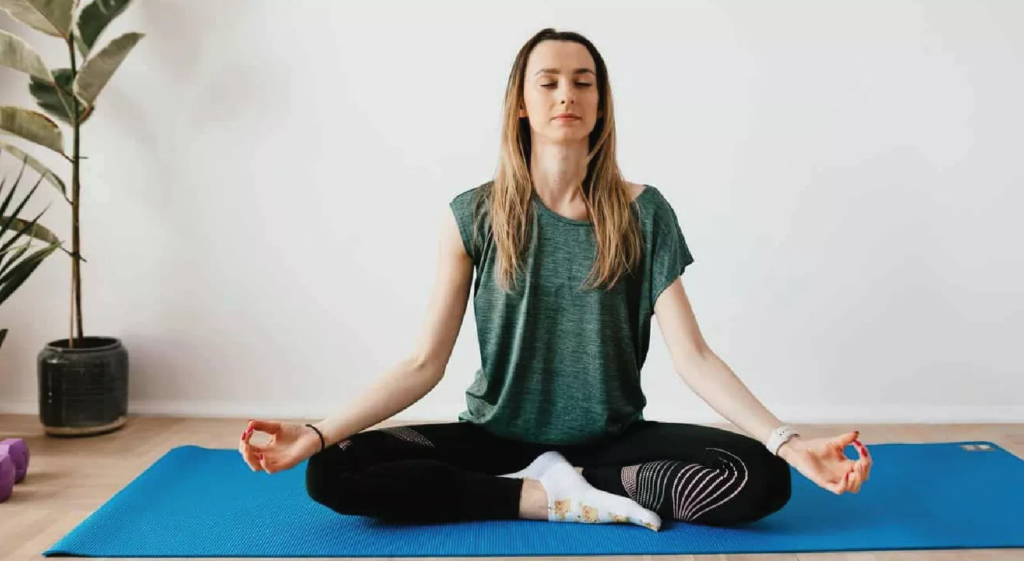
Physical health remains an important part of wellness, but the approach has changed.
Instead of focusing on intense routines or quick results, the emphasis is now on consistency and sustainability.
This means choosing activities that you enjoy and can maintain over time.
It also means listening to your body and understanding its needs.
Rest, movement, and nutrition all play a role.
When you take care of your body in a balanced way, it supports your overall well-being.
Emotional Balance and Its Impact
Emotional wellness is often overlooked, yet it is a key part of living a balanced life.
Your emotions influence how you experience daily situations.In the new era of wellness, there is a focus on understanding and managing emotions.
This involves recognizing what you feel without judging it.It also means finding healthy ways to express those feelings.
Emotional balance does not mean always feeling positive.
It means being able to navigate both positive and challenging emotions with awareness.
Creating Harmony in Your Daily Life
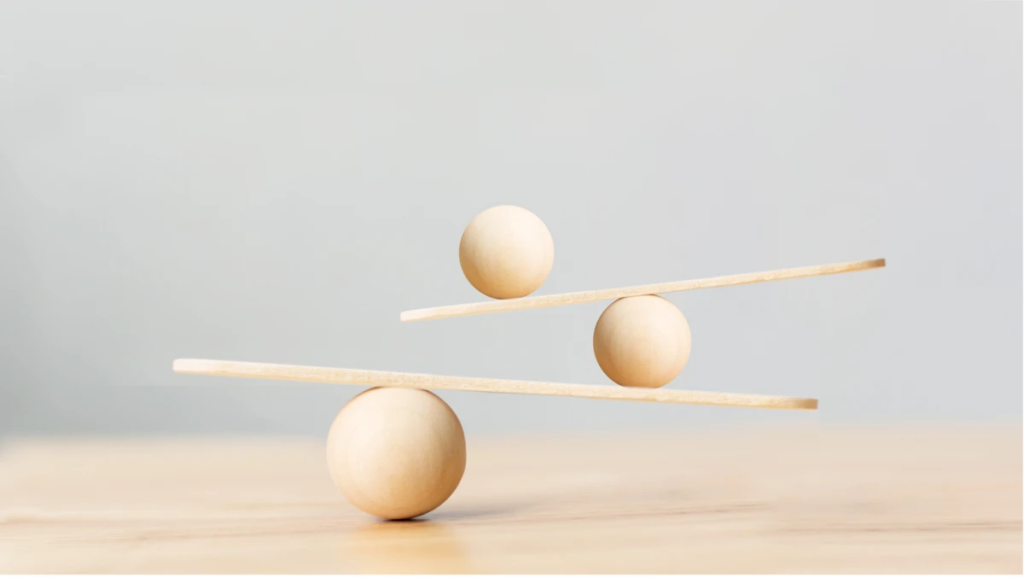
Wellness is not something separate from your daily routine. It is something you build into it.
Creating harmony in your daily life involves making choices that support your well-being.
This can include setting boundaries, managing your time effectively, and creating moments of rest.
It is about finding a rhythm that works for you.
When your daily life feels balanced, it becomes easier to maintain your overall wellness.
The Role of Mindfulness in Modern Wellness
Mindfulness has become a central part of modern wellness.
It encourages you to be present and aware of your experiences.
This awareness helps you connect with your thoughts and actions.
Mindfulness does not require long meditation sessions.
It can be practiced in simple ways, such as paying attention to your breath or being fully present in a conversation.
This practice helps reduce stress and improves focus.
It also enhances your overall sense of well-being.
Letting Go of Perfection

One of the biggest shifts in the new era of wellness is moving away from perfection.
Many people feel pressure to follow strict routines or achieve specific goals.
This pressure can create stress and make wellness feel overwhelming.
Letting go of perfection allows you to approach wellness with flexibility.
It helps you focus on progress rather than perfection.
This mindset makes it easier to maintain healthy habits.
Building Sustainable Habits
Sustainability is a key aspect of modern wellness.
Quick fixes and extreme approaches may provide temporary results, but they are often difficult to maintain.
Building sustainable habits involves making small, consistent changes.
These changes should fit into your lifestyle.
Over time, they become part of your routine.
This approach creates lasting results.
It also reduces the stress associated with trying to maintain unrealistic expectations.
The Connection Between Wellness and Purpose
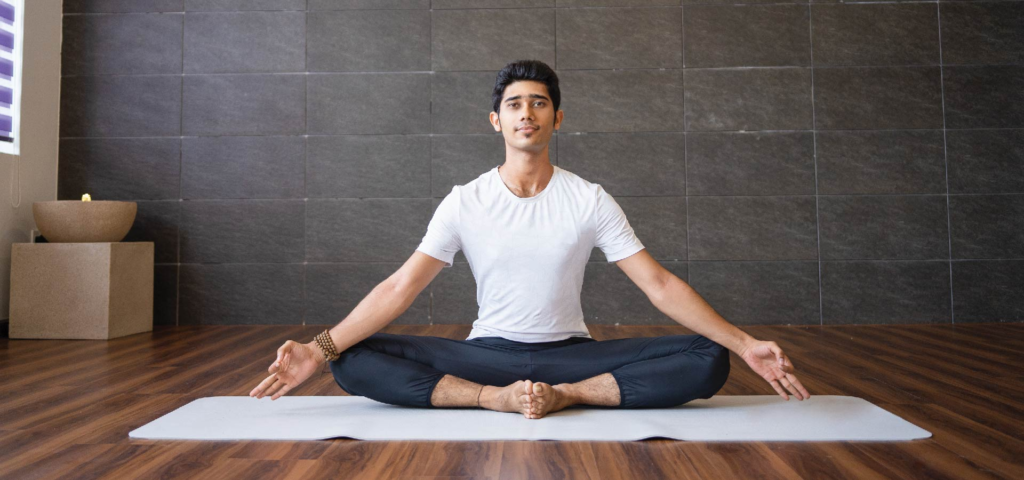
Wellness is not just about feeling good physically or mentally. It is also about feeling a sense of purpose.
Having a sense of direction gives meaning to your actions.
It helps you stay motivated and engaged.
Purpose does not have to be something grand.
It can be found in your daily activities and interactions.
When you feel connected to what you do, your overall well-being improves.
Managing Stress in a Healthy Way
Stress is a natural part of life. The goal is not to eliminate it but to manage it effectively.
In the new era of wellness, there is a focus on healthy stress management.
This includes recognizing the signs of stress and taking steps to address it.
Simple practices like deep breathing, taking breaks, and spending time in nature can help.
Managing stress in a healthy way supports both your mental and physical health.
The Power of Rest and Recovery

Rest is often undervalued in a busy world. However, it is essential for wellness.
Your body and mind need time to recover.
This includes getting enough sleep and allowing yourself to take breaks.
Rest is not a sign of weakness.
It is a necessary part of maintaining balance.
When you prioritize rest, you improve your energy and focus.
Creating a Personalized Wellness Approach
There is no one-size-fits-all approach to wellness.
What works for one person may not work for another.
The new era of wellness encourages personalization.
This means understanding your needs and preferences.
It involves experimenting with different practices and finding what works for you.
This approach makes wellness more effective and enjoyable.
Strengthening Your Relationship with Yourself

At the heart of wellness is your relationship with yourself.
This relationship influences how you think, feel, and act.
Building a strong relationship with yourself involves self-awareness and self-acceptance.
It means treating yourself with kindness and understanding.
When you have a positive relationship with yourself, it supports all areas of your wellness.
Living a Balanced and Fulfilling Life
Balance is not about dividing your time equally between different areas of life.It is about creating a sense of harmony.
This harmony allows you to feel fulfilled.It involves prioritizing what matters most and making time for it.
Living a balanced life does not mean avoiding challenges.It means handling them in a way that does not disrupt your well-being.
Conclusion
The new era of wellness is about more than just health. It is about creating a life that feels balanced, meaningful, and sustainable.
By focusing on your mind, body, and daily life, you can build a strong foundation for well-being.
This approach allows you to experience life more fully.It helps you navigate challenges with resilience and clarity.
Wellness is not a destination. It is an ongoing journey.And in this journey, balance becomes your greatest strength.
FAQs
1. What is wellness in simple terms?
Wellness is the overall balance of your physical, mental, and emotional health.
2. How can I improve my wellness daily?
You can improve wellness by building healthy habits, staying mindful, and taking care of your body and mind.
3. Why is balance important in wellness?
Balance ensures that no single area of your life is neglected, leading to overall well-being.
4. Can wellness reduce stress?
Yes, a balanced lifestyle helps you manage stress more effectively.
5. Is wellness the same for everyone?
No, wellness is personal and should be tailored to your individual needs and lifestyle.
Confidence Building for Beginners: How to Start Believing in Yourself Today
There’s a quiet struggle many people carry that others rarely see. It shows up in…

Self-Care Tips for Wellness: How to Feel Calm, Focused, and Energized
There are days when everything feels heavy. Your mind is crowded, your body feels slow,…

10 Powerful Lifestyle Changes to Improve Your Life Naturally
Have you ever had one of those days where everything feels heavy, even when you…

8 Common Relationship Mistakes and How to Avoid Them
Relationships are one of the most meaningful parts of life. They bring companionship, support, and…

15 Simple Ways to Increase Productivity at Work and Home
Productivity is often misunderstood as doing more in less time, but in reality, it is…

How to Build a Healthy and Balanced Lifestyle Step by Step
In today’s fast-moving world, the idea of living a healthy and balanced lifestyle often feels…