

Productivity isn’t about cramming more tasks into your day or constantly feeling busy. It’s about making meaningful progress on the things that truly matter—without burning yourself out. In today’s fast-paced world, distractions are everywhere, attention spans are shrinking, and the pressure to “do more” is higher than ever. But the truth is, productivity doesn’t come from working harder; it comes from working smarter.
If you’ve ever ended your day wondering where all your time went, you’re not alone. The good news is that small, intentional changes can dramatically improve how you manage your time, energy, and focus. In this guide, we’ll explore ten proven productivity hacks that can genuinely transform your day—not overnight, but consistently and sustainably.
Understanding What Productivity Really Means
Before diving into the hacks, it’s important to redefine productivity. Many people associate productivity with being constantly busy, but that’s a misconception. True productivity is about effectiveness, not just activity. It’s about aligning your actions with your goals and making sure your time is spent on what actually moves the needle.
When you shift your mindset from “doing more” to “doing what matters,” everything changes. You begin to prioritize better, say no more often, and create space for deep, focused work.
Start Your Day With Intent, Not Chaos
The way you begin your morning sets the tone for the entire day. Instead of jumping straight into emails, social media, or notifications, take a few minutes to ground yourself. This could mean sitting quietly with your thoughts, journaling, or simply outlining your priorities for the day.
When you start with intention, you’re less likely to react impulsively to distractions. You move through your day with clarity and purpose, which naturally boosts your productivity.
Focus on Fewer Tasks, Not More
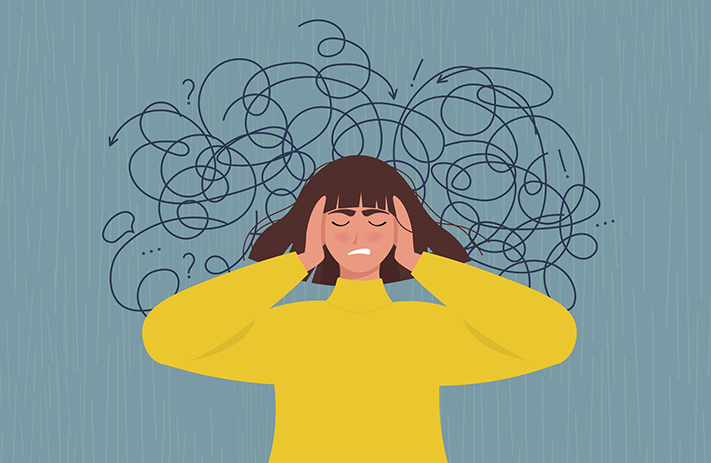

One of the biggest productivity myths is that multitasking helps you get more done. In reality, it does the opposite. Constantly switching between tasks drains your mental energy and reduces the quality of your work.
Instead, focus on doing one thing at a time—and doing it well. When you narrow your attention, you enter a state of deep work where your brain operates at its best. This not only helps you finish tasks faster but also improves the overall outcome.
Use Time Blocking to Structure Your Day
Time blocking is a simple yet powerful technique where you divide your day into chunks of time dedicated to specific tasks. Instead of working randomly, you assign each hour a purpose.
This approach reduces decision fatigue because you’re not constantly wondering what to do next. It also helps you stay accountable. When you know you only have a set amount of time for a task, you’re more likely to stay focused and avoid unnecessary delays.
Over time, time blocking trains your brain to respect boundaries, making it easier to maintain a consistent workflow.
Eliminate Distractions Before They Start
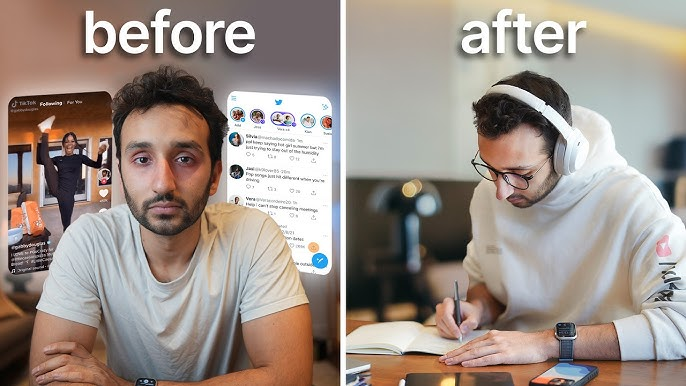
istractions are one of the biggest enemies of productivity. Whether it’s your phone, social media, or constant notifications, even small interruptions can break your concentration and make it difficult to get back on track.
The key is to be proactive. Put your phone on silent or in another room, close unnecessary tabs, and create a workspace that encourages focus. You don’t need perfect conditions—just fewer interruptions.
When you protect your attention, you protect your productivity.
Take Breaks Without Guil
It might sound counterintuitive, but taking breaks actually makes you more productive. Your brain isn’t designed to focus for hours without rest. When you push yourself too hard, your efficiency drops, and mistakes increase.
Short, intentional breaks help you recharge and return to your work with fresh energy. Whether it’s a quick walk, stretching, or simply stepping away from your screen, these pauses can significantly improve your performance.
The key is to treat breaks as part of your productivity system, not a distraction from it.
Prioritize Tasks That Truly Matter
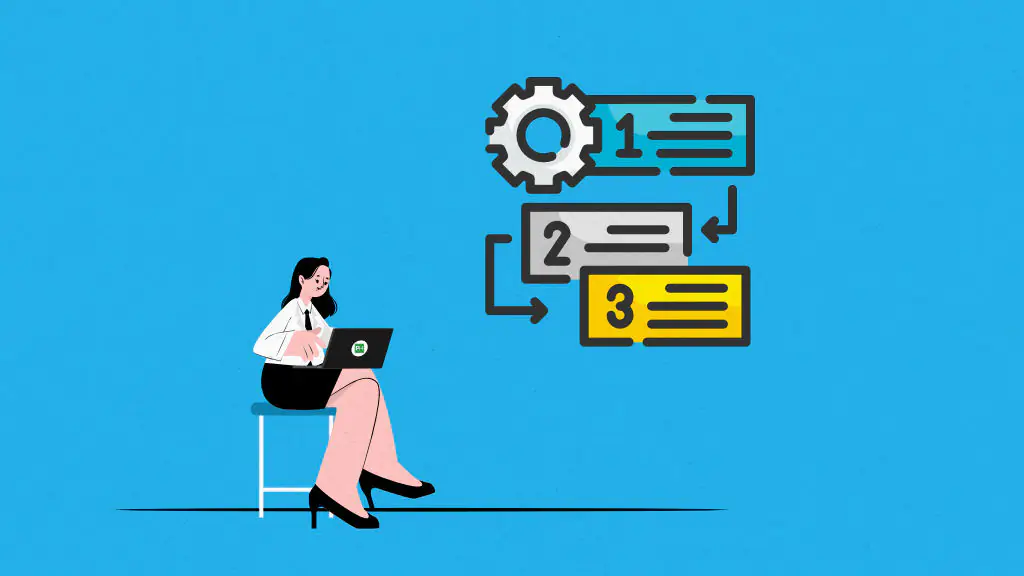
Not all tasks are created equal. Some contribute directly to your goals, while others simply keep you busy. Learning to distinguish between the two is essential.
Start by identifying your most important tasks—the ones that will have the biggest impact if completed. Focus your energy on these first, when your mind is fresh and your motivation is high.
When you consistently prioritize what matters most, you create momentum that carries through the rest of your day.
Build a Consistent Routine That Works for You
Productivity isn’t about following someone else’s perfect routine. It’s about finding a rhythm that suits your lifestyle and energy levels.
Some people are most productive in the morning, while others do their best work at night. Pay attention to when you feel most focused and schedule your important tasks during those times.
A consistent routine reduces the need for constant decision-making, which frees up mental energy for more important things.
Learn to Say No Without Feeling Guilty

One of the most underrated productivity skills is the ability to say no. Every time you say yes to something, you’re saying no to something else—often your own priorities.
It’s easy to overcommit, especially when you want to be helpful or avoid disappointing others. But spreading yourself too thin leads to stress, burnout, and lower-quality work.
Setting boundaries isn’t selfish; it’s necessary. When you protect your time, you create space to focus on what truly matters.
Reflect on Your Day and Improve Gradually
At the end of each day, take a few minutes to reflect. What went well? What could have been better? Where did you lose focus?
This simple habit helps you become more aware of your patterns and identify areas for improvement. Productivity isn’t about perfection—it’s about progress.
Small adjustments, made consistently, can lead to significant long-term results.
Keep Your Energy in Check, Not Just Your Time
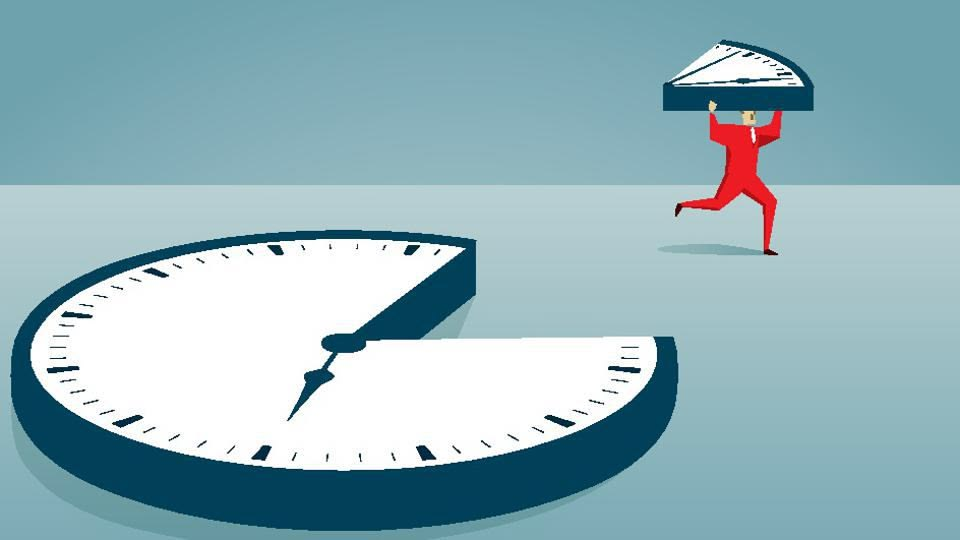
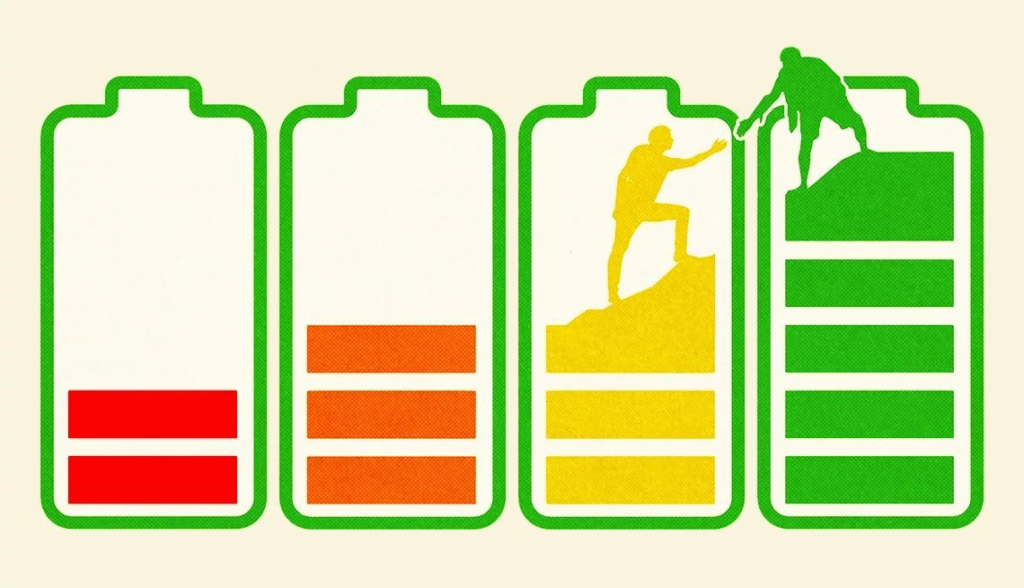

Time management is important, but energy management is equally crucial. You can have a perfectly planned day, but if you’re mentally exhausted, it won’t matter.
Pay attention to your sleep, nutrition, and overall well-being. Stay hydrated, move your body, and give yourself time to rest.
When your energy is high, your productivity naturally follows.
Bringing It All Together
Transforming your day doesn’t require a complete life overhaul. It’s about making small, intentional changes that align with your goals and values. By focusing on what truly matters, protecting your attention, and managing your energy, you can create a system that works for you—not against you.
Remember, productivity isn’t a destination; it’s a continuous process. Some days will be better than others, and that’s okay. What matters is showing up, staying consistent, and making progress over time.
Frequently Asked Questions (FAQs)
What is the most effective productivity hack?
The most effective productivity hack is focusing on your most important tasks first. When you tackle high-impact work early in the day, you build momentum and ensure that your time is spent on what truly matters.
How can I stay productive without feeling overwhelmed?
To stay productive without feeling overwhelmed, focus on fewer tasks, take regular breaks, and set realistic expectations. Avoid trying to do everything at once and instead concentrate on making steady progress.
Does multitasking improve productivity?
No, multitasking actually reduces productivity. It divides your attention and increases the likelihood of mistakes. Focusing on one task at a time leads to better results and faster completion.
How long should I work before taking a break?
A common approach is to work for about 25 to 50 minutes and then take a short break. However, the ideal duration depends on your personal focus level. The goal is to rest before you feel completely drained.
Can productivity habits really change my life?
Yes, consistent productivity habits can significantly improve your daily life. They help you manage your time better, reduce stress, and create more opportunities to achieve your goals.
What should I do if I keep procrastinating?
If you struggle with procrastination, start by breaking tasks into smaller, manageable steps. Remove distractions, set clear deadlines, and focus on taking the first step rather than waiting for motivation.
Is it okay to have unproductive days?
Absolutely. Everyone has off days. Productivity is about long-term consistency, not perfection. What matters is getting back on track and continuing to move forward.
Confidence Building for Beginners: How to Start Believing in Yourself Today
There’s a quiet struggle many people carry that others rarely see. It shows up in…

Self-Care Tips for Wellness: How to Feel Calm, Focused, and Energized
There are days when everything feels heavy. Your mind is crowded, your body feels slow,…

10 Powerful Lifestyle Changes to Improve Your Life Naturally
Have you ever had one of those days where everything feels heavy, even when you…