

Building a healthy relationship that truly stands the test of time isn’t about perfection, grand gestures, or constant happiness. It’s about understanding, patience, effort, and a deep willingness to grow together. In a world where relationships often feel fragile and temporary, many people are searching for something real—something stable, meaningful, and lasting.
The truth is, strong relationships are not found; they are built. They are shaped over time through shared experiences, honest conversations, and the ability to navigate both the good and the difficult moments together. If you’ve ever wondered what makes some relationships thrive while others fall apart, the answer lies in a few core principles that anyone can learn and practice.
Understanding what a healthy relationship really looks like is the first step toward creating one that lasts.
What Does a Healthy Relationship Really Mean


A healthy relationship is not one without problems. Instead, it is a relationship where both individuals feel respected, valued, and emotionally safe. It is a space where you can be yourself without fear of judgment, where communication is open, and where both partners are committed to supporting each other’s growth.
Many people mistakenly believe that love alone is enough to sustain a relationship. While love is essential, it is not the only ingredient. Trust, communication, mutual respect, and emotional maturity all play equally important roles. Without these, even the strongest feelings can fade over time.
When you begin to see relationships as a combination of love and effort, you start to approach them with a more realistic and sustainable mindset.
The Role of Communication in Building Connection
Communication is often described as the foundation of a healthy relationship, and for good reason. Without clear and honest communication, misunderstandings can quickly turn into conflicts, and small issues can grow into major problems.
However, communication is not just about talking. It is also about listening—truly listening—to understand rather than to respond. When partners feel heard, they feel valued. This creates a sense of emotional safety that strengthens the bond between them.
It is also important to express your feelings openly. Bottling up emotions can lead to resentment, which slowly damages the relationship. Sharing your thoughts, even when they are difficult, allows both partners to address issues before they become overwhelming.
Healthy communication is not about avoiding conflict but about handling it in a respectful and constructive way.
Building Trust That Doesn’t Break Easily


Trust is one of the most important elements of any lasting relationship. It is what allows you to feel secure, to be vulnerable, and to rely on your partner without constant doubt or fear.
Building trust takes time, consistency, and honesty. It is formed through small actions repeated over time—keeping promises, being reliable, and showing integrity even in difficult situations.
Once trust is broken, it can be challenging to rebuild, but it is not impossible. It requires transparency, accountability, and a genuine effort to change. Both partners must be willing to work through the pain and rebuild the connection step by step.
A relationship without trust often feels unstable, while a relationship built on trust provides a sense of peace and security.
Respect as the Foundation of Love
Respect is often overlooked, yet it is one of the strongest pillars of a healthy relationship. It goes beyond basic politeness and involves valuing your partner’s opinions, feelings, and individuality.
In a respectful relationship, both partners recognize that they are separate individuals with their own thoughts, preferences, and goals. They support each other without trying to control or change one another.
Disrespect can show up in subtle ways, such as dismissing feelings, interrupting during conversations, or making hurtful comments. Over time, these behaviors can erode the foundation of the relationship.
When respect is present, even disagreements can be handled with understanding and care.
The Importance of Emotional Support



Life is full of ups and downs, and having a partner who supports you through both is incredibly valuable. Emotional support means being there for each other during difficult times, offering encouragement, and showing empathy.
It is not about fixing every problem but about being present. Sometimes, simply listening and acknowledging your partner’s feelings can make a significant difference.
When both partners feel supported, they develop a deeper sense of connection and trust. This creates a relationship where both individuals feel stronger together than they would alone.
Balancing Independence and Togetherness
One of the keys to a lasting relationship is finding the right balance between independence and togetherness. While spending time together is important, maintaining your individuality is equally essential.
Healthy relationships allow space for personal growth. Each partner should have their own interests, friendships, and goals outside of the relationship. This not only prevents feelings of suffocation but also keeps the relationship dynamic and interesting.
When two individuals continue to grow on their own while supporting each other, they bring new energy and perspectives into the relationship.
Handling Conflict Without Damaging the Relationship

Conflict is a natural part of any relationship. No two people are exactly the same, so disagreements are inevitable. What matters is how those conflicts are handled.
In a healthy relationship, conflicts are approached with the intention of understanding rather than winning. Instead of blaming or criticizing, both partners focus on finding solutions.
It is important to stay calm, avoid hurtful language, and take breaks if emotions become too intense. Returning to the conversation with a clear mind can lead to more productive discussions.
When handled correctly, conflict can actually strengthen a relationship by improving communication and deepening understanding.
Keeping the Connection Alive Over Time
As relationships progress, it is easy to fall into routines and take each other for granted. Keeping the connection alive requires effort and intentionality.
This does not mean constant grand gestures. Small, consistent actions—such as expressing appreciation, spending quality time together, and showing affection—can have a powerful impact.
Being present in the relationship, rather than distracted or disengaged, helps maintain emotional intimacy. It is the everyday moments that often matter the most.
Growing Together Through Change
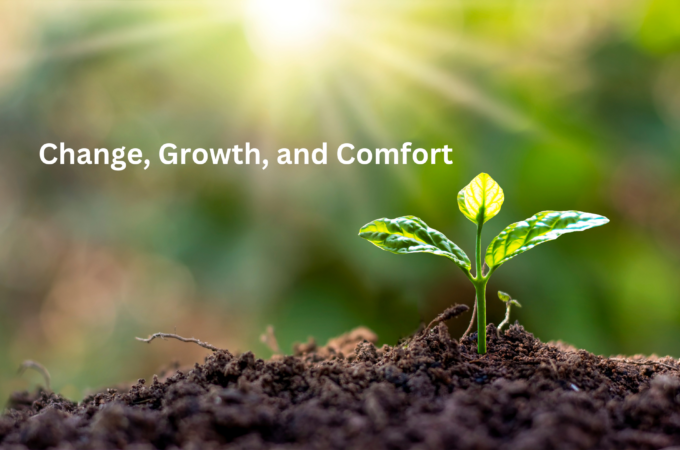

People change over time, and so do relationships. A healthy relationship is one that adapts and evolves as both partners grow.
Instead of resisting change, it is important to embrace it and support each other through different phases of life. This might involve adjusting expectations, redefining goals, or learning new ways to connect.
When both partners are committed to growing together, they create a relationship that remains strong even as life changes.
The Power of Patience and Consistency
Building a lasting relationship does not happen overnight. It requires patience, consistency, and a willingness to keep showing up even when things are not perfect.
There will be challenges, misunderstandings, and difficult moments. What matters is the commitment to work through them together.
Consistency in your actions—being kind, supportive, and reliable—builds a sense of stability that strengthens the relationship over time.
Creating a Relationship That Feels Like Home



At its core, a healthy relationship should feel like a safe and comforting space. It should be a place where you can relax, be yourself, and feel understood.
This kind of relationship is not built through perfection but through authenticity. It is about showing up as you are and accepting your partner for who they are.
When both partners feel at home with each other, the relationship becomes a source of strength, happiness, and fulfillment.
Frequently Asked Questions (FAQs)
1.What is the most important factor in a healthy relationship
The most important factor is trust, supported by open communication and mutual respect. Without trust, it becomes difficult to feel secure and connected in the relationship.
2.How can I improve communication with my partner
Improving communication starts with active listening and expressing your feelings honestly. It is important to create a safe space where both partners feel comfortable sharing their thoughts without fear of judgment.
3.Is it normal to have conflicts in a relationship
Yes, conflicts are completely normal. What matters is how you handle them. Healthy relationships focus on resolving issues with understanding rather than trying to win arguments.
4.How do you rebuild trust after it is broken
Rebuilding trust requires honesty, consistency, and patience. Both partners must be willing to work through the issue and make a genuine effort to restore the connection.
5.How can couples keep their relationship strong over time
Couples can keep their relationship strong by maintaining open communication, spending quality time together, and continuously showing appreciation and support for each other.
6.Can a relationship work if both partners are very different
Yes, differences can actually strengthen a relationship if both partners respect and understand each other. The key is to find common ground while appreciating each other’s individuality.
Confidence Building for Beginners: How to Start Believing in Yourself Today
There’s a quiet struggle many people carry that others rarely see. It shows up in…

Self-Care Tips for Wellness: How to Feel Calm, Focused, and Energized
There are days when everything feels heavy. Your mind is crowded, your body feels slow,…

10 Powerful Lifestyle Changes to Improve Your Life Naturally
Have you ever had one of those days where everything feels heavy, even when you…

8 Common Relationship Mistakes and How to Avoid Them
Relationships are one of the most meaningful parts of life. They bring companionship, support, and…

15 Simple Ways to Increase Productivity at Work and Home
Productivity is often misunderstood as doing more in less time, but in reality, it is…

How to Build a Healthy and Balanced Lifestyle Step by Step
In today’s fast-moving world, the idea of living a healthy and balanced lifestyle often feels…