

In a world that constantly pushes the idea of success, self-improvement, and personal growth, the concept of a growth mindset has become widely popular. You’ve probably heard phrases like “believe in yourself,” “embrace challenges,” or “learn from failure.” While these ideas are powerful, there is a deeper truth about growth that often goes unspoken.
The real secret behind a growth mindset is not just about thinking positively or working harder. It is about how you relate to discomfort, how you respond when progress feels slow, and how you continue showing up even when motivation fades. This is the part that nobody really talks about, yet it is the most important.
Understanding this hidden layer can change the way you approach your goals, your failures, and ultimately, your life.
What a Growth Mindset Really Means
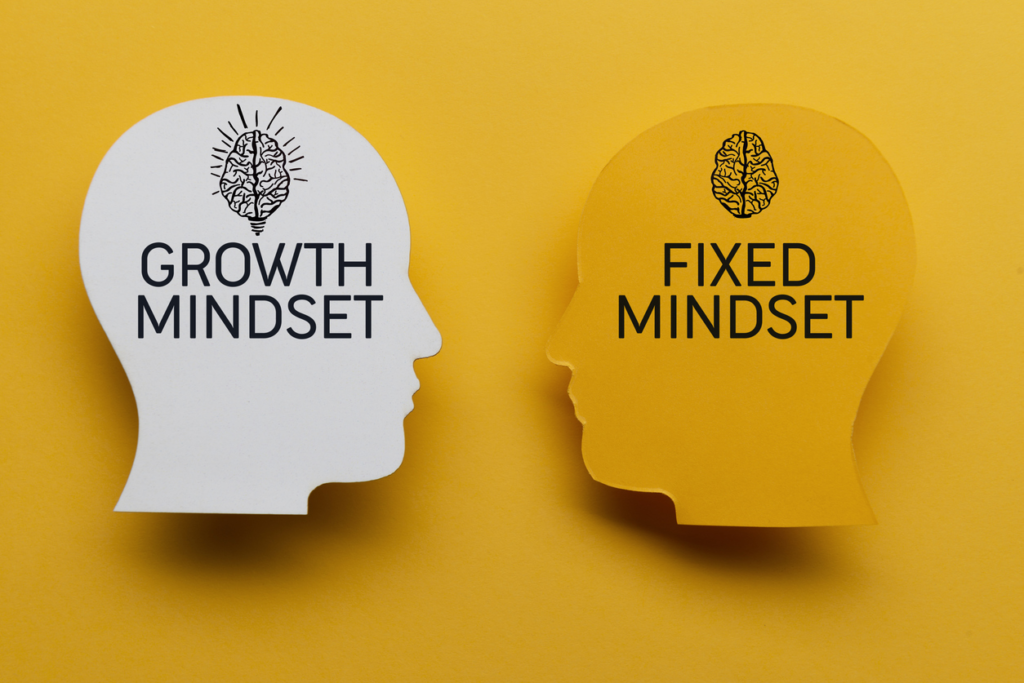
A growth mindset is often described as the belief that your abilities and intelligence can improve over time. While this definition is accurate, it only scratches the surface. In reality, a growth mindset is less about belief and more about behavior.
It is reflected in the choices you make every day. Do you avoid challenges because they might expose your weaknesses, or do you face them despite the discomfort? Do you give up when things get difficult, or do you keep going even when results are not immediate?
Having a growth mindset does not mean you are always confident or motivated. It means you are willing to continue despite doubt and difficulty.
The Hidden Truth About Growth
The part of growth that people rarely talk about is how uncomfortable it actually is. Growth is not a smooth or inspiring process most of the time. It often feels frustrating, slow, and even discouraging.
There are moments when you will question your progress, doubt your abilities, and feel like you are not improving at all. These moments are not signs that something is wrong. They are signs that you are growing.
The secret is learning to stay in the process even when it feels uncomfortable. This is where real transformation happens.
Why Motivation Is Not Enough

Many people rely on motivation to pursue their goals. While motivation can be helpful in the beginning, it is not something you can depend on every day. There will be times when you simply do not feel like putting in the effort.
This is where discipline and consistency become more important than motivation. A growth mindset is built through actions, not feelings. It is about doing what needs to be done, even when you do not feel inspired.
When you stop relying on motivation and start focusing on consistency, you create a foundation for long-term growth.
Embracing Failure as Part of the Process
Failure is often seen as something to avoid, but in reality, it is one of the most valuable parts of growth. Every mistake, setback, or unsuccessful attempt carries a lesson.
The difference between people who grow and those who stay stuck is how they respond to failure. Instead of seeing it as a reflection of their abilities, they see it as feedback.
This shift in perspective allows you to learn, adjust, and improve. Over time, failure becomes less intimidating and more like a stepping stone toward success.
The Role of Patience in Growth

One of the most overlooked aspects of a growth mindset is patience. In a world that values quick results, it can be difficult to stay committed when progress feels slow.
However, meaningful growth takes time. It is not something that happens overnight. It requires consistent effort, repeated practice, and a willingness to keep going even when you cannot see immediate results.
Patience allows you to trust the process and stay focused on long-term improvement rather than short-term outcomes.
Letting Go of Perfection
Perfectionism can be one of the biggest obstacles to growth. When you constantly aim for perfection, you create unnecessary pressure and fear of failure.
A growth mindset encourages progress over perfection. It allows you to make mistakes, learn from them, and continue improving without being held back by unrealistic expectations.
Letting go of perfection does not mean lowering your standards. It means understanding that growth is a process, not a final destination.
The Importance of Self-Awareness

Self-awareness is a key component of a growth mindset. It involves understanding your strengths, recognizing your weaknesses, and being honest about where you need to improve.
This level of awareness allows you to make better decisions and focus your efforts more effectively. It also helps you identify patterns that may be holding you back.
When you are aware of your thoughts and behaviors, you gain the ability to change them.
Surrounding Yourself With the Right Environment
Your environment plays a significant role in shaping your mindset. The people you interact with, the content you consume, and the atmosphere you are in can all influence your growth.
Being around supportive and growth-oriented individuals can motivate you to push yourself and stay committed to your goals. On the other hand, a negative environment can limit your progress.
Creating an environment that encourages learning and growth can make a noticeable difference in your journey.
Consistency Over Intensity

Many people start their growth journey with intense bursts of effort, only to lose momentum after a short period. While enthusiasm is important, it is consistency that leads to lasting results.
Small, consistent actions performed over time are more effective than occasional bursts of effort. A growth mindset is built through daily habits, not occasional motivation.
When you focus on consistency, you create a steady path toward improvement.
Learning to Enjoy the Process
One of the most powerful yet overlooked aspects of growth is learning to enjoy the journey. When you focus only on the end result, it is easy to become frustrated or discouraged.
However, when you find satisfaction in the process itself, growth becomes more sustainable. You begin to appreciate the small improvements, the lessons learned, and the effort you put in.
This shift in perspective makes the journey more fulfilling and less stressful.
The Quiet Confidence That Comes With Growth


2,560 × 1,440
As you continue to develop a growth mindset, you may notice a subtle but powerful change in your confidence. It is not the loud, attention-seeking confidence that comes from external validation.
Instead, it is a quiet confidence that comes from knowing you can handle challenges, learn from mistakes, and continue improving.
This type of confidence is built over time through consistent effort and self-trust. It is one of the most valuable outcomes of embracing a growth mindset.
Why This Secret Changes Everything
The secret that nobody talks about is that growth is not always exciting or rewarding in the moment. It often feels repetitive, challenging, and uncertain.
But when you understand that these feelings are a natural part of the process, you stop resisting them. You begin to accept growth as it is, rather than as you wish it to be.
This acceptance allows you to stay committed, even during difficult times. It transforms the way you approach challenges and helps you build resilience.
Conclusion
A growth mindset is not just about believing in your potential. It is about showing up every day, embracing discomfort, and staying committed to the process of improvement.
The real secret lies in understanding that growth is not always easy or enjoyable. It requires patience, consistency, and a willingness to face challenges head-on.
When you accept this reality, you free yourself from unrealistic expectations and create space for genuine progress. Over time, this approach not only helps you achieve your goals but also shapes the way you experience life.
Growth becomes less about reaching a destination and more about becoming a better version of yourself along the way.
Frequently Asked Questions (FAQs)
1.What is the biggest misconception about a growth mindset?
The biggest misconception is that a growth mindset means always being positive or motivated. In reality, it involves continuing to put in effort even when you feel unmotivated or face challenges.
2.How can I develop a growth mindset in daily life?
You can develop a growth mindset by embracing challenges, learning from mistakes, and focusing on consistent effort rather than immediate results.
3.Why is failure important for growth?
Failure provides valuable feedback that helps you improve. It allows you to understand what does not work and make necessary adjustments.
4.How do I stay consistent when I lose motivation?
Focus on building habits and routines rather than relying on motivation. Consistency comes from discipline and commitment to your goals.
5.Can anyone develop a growth mindset?
Yes, a growth mindset can be developed by anyone willing to change their perspective and put in consistent effort.
6.How long does it take to see results from a growth mindset?
The timeline varies for each person. Some changes can be noticed quickly, while others take time. The key is to stay patient and consistent.
7.What role does self-awareness play in growth?
Self-awareness helps you identify your strengths and areas for improvement. It allows you to make better decisions and stay aligned with your goals.
Confidence Building for Beginners: How to Start Believing in Yourself Today
There’s a quiet struggle many people carry that others rarely see. It shows up in…

Self-Care Tips for Wellness: How to Feel Calm, Focused, and Energized
There are days when everything feels heavy. Your mind is crowded, your body feels slow,…

10 Powerful Lifestyle Changes to Improve Your Life Naturally
Have you ever had one of those days where everything feels heavy, even when you…

8 Common Relationship Mistakes and How to Avoid Them
Relationships are one of the most meaningful parts of life. They bring companionship, support, and…

15 Simple Ways to Increase Productivity at Work and Home
Productivity is often misunderstood as doing more in less time, but in reality, it is…

How to Build a Healthy and Balanced Lifestyle Step by Step
In today’s fast-moving world, the idea of living a healthy and balanced lifestyle often feels…