
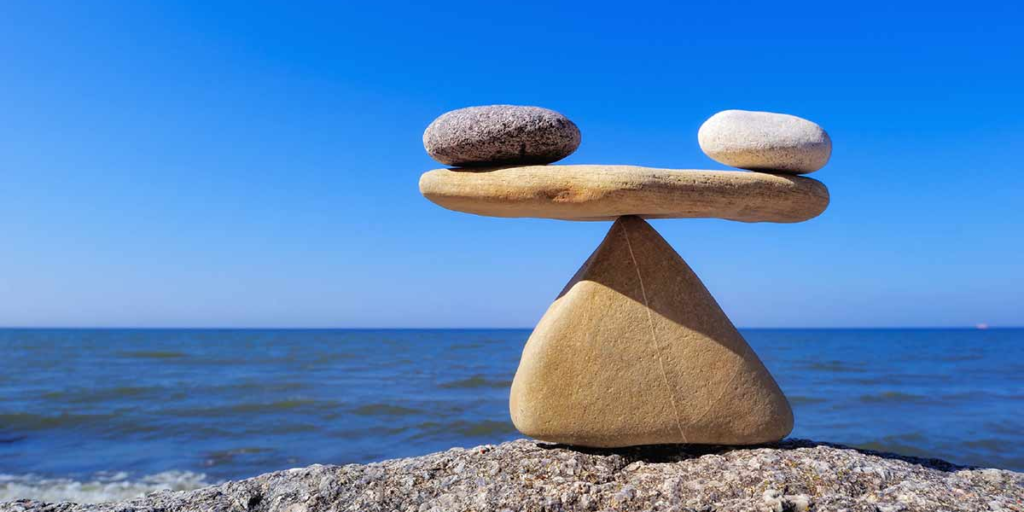
Wellness is more than just the absence of illness. It is a state of complete physical, mental, and emotional balance that allows you to live your life with energy, clarity, and purpose. In today’s fast-paced world, many people are searching for ways to improve their well-being without relying on complicated routines or quick fixes. The desire to feel better, think clearly, and live more peacefully has led many to explore natural and effective approaches to wellness.
The good news is that improving your wellness does not require drastic changes or expensive solutions. In fact, some of the most powerful improvements come from simple, natural habits that you can integrate into your daily life. These changes may seem small at first, but when practiced consistently, they can transform the way you feel and function.
Understanding what wellness truly means is the first step toward creating a lifestyle that supports your overall well-being.
Understanding the True Meaning of Wellness
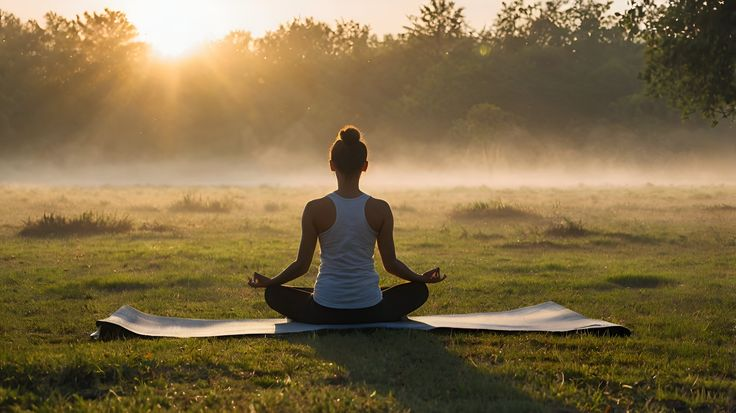

Wellness is often misunderstood as just physical health, but it goes much deeper than that. It includes your mental clarity, emotional stability, and even your sense of purpose. When all these aspects are in harmony, you experience a sense of balance that positively affects every area of your life.
Improving wellness naturally means focusing on habits that support your body and mind without relying on artificial solutions. It is about nurturing yourself in a way that feels sustainable and aligned with your lifestyle.
When you begin to see wellness as a continuous journey rather than a destination, it becomes easier to make choices that support long-term health and happiness.
Nourishing Your Body With Natural Choices
The food you eat plays a significant role in your overall wellness. Your body relies on proper nutrition to function effectively, and what you consume directly impacts your energy levels, mood, and health.
Choosing natural, wholesome foods can make a noticeable difference. Fresh fruits, vegetables, whole grains, and unprocessed foods provide essential nutrients that your body needs. These choices not only improve physical health but also support mental clarity and emotional balance.
It is not about following a strict diet or eliminating everything you enjoy. Instead, it is about making mindful choices that nourish your body while still allowing room for flexibility.
The Power of Movement in Everyday Life

Physical activity is one of the most natural ways to improve your wellness. Movement helps your body stay strong, improves circulation, and releases chemicals in the brain that enhance your mood.
You do not need an intense workout routine to experience the benefits. Simple activities such as walking, stretching, or engaging in light exercise can significantly improve your well-being. The key is consistency rather than intensity.
When you make movement a regular part of your day, it becomes a natural and enjoyable habit rather than a chore.
Prioritizing Rest and Quality Sleep
Sleep is often overlooked, yet it is one of the most important aspects of wellness. Your body and mind need time to rest and recover. Without proper sleep, it becomes difficult to maintain focus, manage stress, and stay energized.
Improving your sleep habits can have an immediate impact on your overall well-being. Creating a calm environment, maintaining a consistent sleep schedule, and reducing screen time before bed are simple ways to enhance sleep quality.
When you prioritize rest, you allow your body to function at its best.
Managing Stress in a Natural Way

Stress is a natural part of life, but when it becomes overwhelming, it can negatively affect your health. Learning to manage stress naturally is essential for maintaining balance.
Practices such as deep breathing, mindfulness, and spending time in nature can help reduce stress levels. These methods allow your mind to relax and reset, making it easier to handle daily challenges.
Instead of trying to eliminate stress completely, focus on developing healthy ways to respond to it.
The Importance of Mental Clarity and Mindfulness
Your mental state plays a crucial role in your overall wellness. When your mind is cluttered with constant thoughts and distractions, it becomes difficult to focus and feel at peace.
Mindfulness is a powerful tool that helps you stay present and aware. It encourages you to slow down and fully experience each moment without judgment. This practice can improve your emotional well-being and reduce feelings of anxiety.
Even a few minutes of mindfulness each day can make a significant difference in how you feel.
Building Healthy Daily Habits



Wellness is not achieved through one-time efforts but through consistent daily habits. The small actions you take each day shape your overall lifestyle.
Creating simple routines can help you stay on track. Whether it is drinking enough water, taking short breaks, or setting aside time for relaxation, these habits contribute to your well-being over time.
The key is to start small and gradually build habits that fit naturally into your life.
Connecting With Nature and Your Surroundings
Spending time in nature has a calming effect on both the body and mind. It allows you to disconnect from the noise of daily life and reconnect with yourself.
Whether it is a walk in a park, sitting in sunlight, or simply observing your surroundings, these moments can improve your mood and reduce stress.
Nature provides a sense of peace that is difficult to find in a busy environment.
Strengthening Emotional Well-Being

Emotional wellness is an essential part of overall health. It involves understanding your feelings, expressing them in a healthy way, and building positive relationships.
Taking time to reflect on your emotions and addressing them honestly can improve your mental state. Surrounding yourself with supportive people and engaging in meaningful conversations also contributes to emotional well-being.
When you take care of your emotional health, you create a stronger foundation for overall wellness.
Reducing Dependence on Unhealthy Habits
Many people rely on habits that provide temporary comfort but negatively affect long-term wellness. These may include excessive screen time, poor eating habits, or lack of physical activity.
Becoming aware of these patterns is the first step toward change. Instead of trying to eliminate them all at once, focus on replacing them with healthier alternatives.
Gradual changes are more sustainable and lead to lasting improvements.
Creating Balance in Your Life


Balance is at the heart of wellness. It involves managing different aspects of your life in a way that feels stable and fulfilling.
This includes balancing work and rest, social time and solitude, as well as activity and relaxation. When one area becomes overwhelming, it can affect your overall well-being.
Finding balance does not mean everything is equal all the time. It means adjusting your priorities based on your needs.
Listening to Your Body and Mind
Your body and mind constantly send signals about what they need. Learning to listen to these signals is an important part of improving wellness.
If you feel tired, it may be a sign that you need rest. If you feel stressed, it may be time to slow down. Paying attention to these cues allows you to respond in a way that supports your health.
Ignoring these signals can lead to burnout and imbalance.
The Role of Consistency in Long-Term Wellness

Consistency is the key to lasting change. While it is easy to feel motivated at the beginning, maintaining that momentum is what truly makes a difference.
You do not need to be perfect. There will be days when you fall out of routine, and that is completely normal. What matters is your ability to return to your habits and continue moving forward.
Over time, these consistent efforts create a lifestyle that supports your wellness naturally.
Conclusion
Improving your wellness naturally and effectively is not about following strict rules or making drastic changes. It is about creating a lifestyle that supports your physical, mental, and emotional well-being in a balanced and sustainable way.
By focusing on simple habits such as nourishing your body, staying active, managing stress, and prioritizing rest, you can create a strong foundation for overall health. These changes may seem small, but their impact can be profound when practiced consistently.
Wellness is a journey that evolves over time. By staying mindful of your needs and making intentional choices, you can build a life that feels healthier, more balanced, and deeply fulfilling.
Frequently Asked Questions (FAQs)
What is the best natural way to improve wellness?
The best natural way to improve wellness is by focusing on balanced habits such as proper nutrition, regular movement, quality sleep, and stress management. These elements work together to support overall well-being.
1.How long does it take to see improvements in wellness?
Some improvements, such as better energy and mood, can be noticed within a few days. However, long-term wellness benefits develop over time with consistent habits.
2.Can small lifestyle changes really improve wellness?
Yes, small lifestyle changes can have a significant impact when practiced regularly. Consistency is more important than making large changes all at once.
3.How can I reduce stress naturally?
You can reduce stress naturally by practicing mindfulness, deep breathing, spending time in nature, and maintaining a balanced routine.
4.Is it necessary to follow a strict routine for wellness?
No, a strict routine is not necessary. A flexible and realistic routine that fits your lifestyle is more effective and sustainable.
5.What role does mental health play in wellness?
Mental health is a key part of wellness. A clear and calm mind helps you manage stress, make better decisions, and maintain emotional balance.
6.How do I stay consistent with wellness habits?
Start with small, manageable changes and build them into your daily routine. Focus on progress rather than perfection and be patient with yourself.
Confidence Building for Beginners: How to Start Believing in Yourself Today
There’s a quiet struggle many people carry that others rarely see. It shows up in…

Self-Care Tips for Wellness: How to Feel Calm, Focused, and Energized
There are days when everything feels heavy. Your mind is crowded, your body feels slow,…

10 Powerful Lifestyle Changes to Improve Your Life Naturally
Have you ever had one of those days where everything feels heavy, even when you…

8 Common Relationship Mistakes and How to Avoid Them
Relationships are one of the most meaningful parts of life. They bring companionship, support, and…

15 Simple Ways to Increase Productivity at Work and Home
Productivity is often misunderstood as doing more in less time, but in reality, it is…

How to Build a Healthy and Balanced Lifestyle Step by Step
In today’s fast-moving world, the idea of living a healthy and balanced lifestyle often feels…