

In a world that constantly celebrates hustle and nonstop activity, productivity has often been misunderstood. For years, being productive meant doing more, working longer hours, and pushing through exhaustion. But this approach has led many people to experience burnout, stress, and a sense of disconnection from their own lives. Today, a new productivity mindset is emerging, one that focuses not just on getting more done, but on doing so in a way that is sustainable, balanced, and aligned with your well-being.
As conversations around productivity continue to grow on platforms like Google, it is clear that people are looking for smarter, healthier ways to manage their time and energy. The goal is no longer just efficiency. It is effectiveness without sacrificing mental and emotional health.
This new approach to productivity is about working with your mind and body instead of against them. It is about creating systems that support you, rather than drain you.
Rethinking Productivity in the Modern World
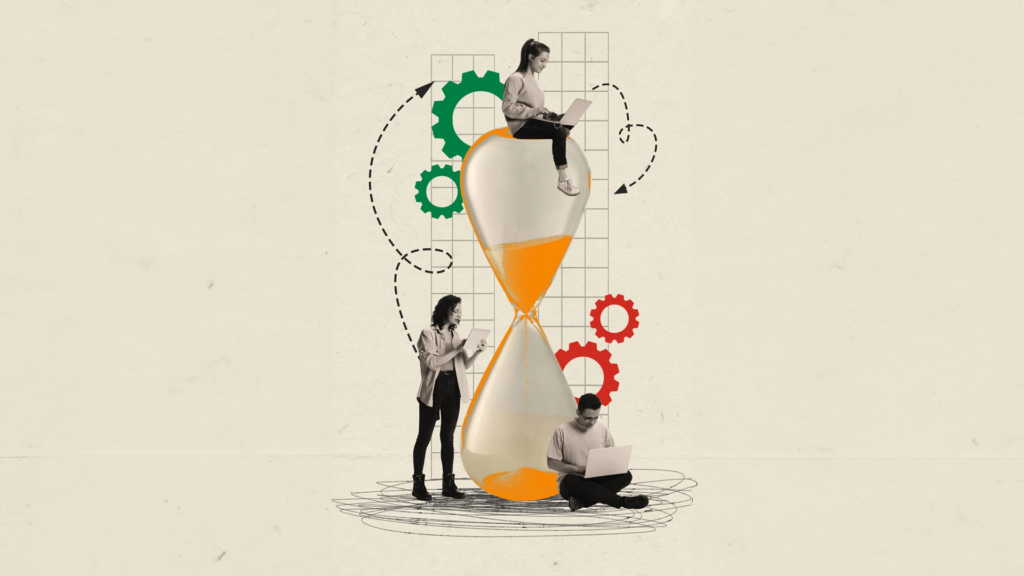
Traditional productivity often emphasizes output over everything else. It encourages constant activity and rewards busyness, even when that busyness is not meaningful.
The problem with this mindset is that it ignores the human need for rest, reflection, and balance. It treats productivity as a machine-like process, rather than a human experience.
The new productivity mindset shifts the focus from doing more to doing what matters. It values quality over quantity and recognizes that rest and recovery are essential for sustained performance.
When you rethink productivity in this way, you begin to see that working less can sometimes lead to achieving more.
Understanding the Link Between Productivity and Energy
One of the most important aspects of sustainable productivity is energy management. Many people focus on managing their time, but overlook how their energy levels affect their performance.
Your energy fluctuates throughout the day. There are times when you feel focused and alert, and times when you feel tired or distracted.
The new productivity mindset encourages you to align your tasks with your energy levels. This means doing your most important work when you are at your peak and allowing yourself to rest when your energy is low.
By managing your energy instead of forcing constant output, you create a more natural and effective workflow.
Letting Go of the Hustle Culture

Hustle culture promotes the idea that success requires constant effort and sacrifice. It glorifies long hours and minimal rest.
While hard work is important, this mindset can lead to burnout and decreased productivity over time.
Letting go of hustle culture does not mean becoming lazy. It means being intentional about how you use your time and energy.
It involves recognizing that rest is not a weakness, but a necessity.
When you step away from the pressure to always be busy, you create space for clarity, creativity, and better decision-making.
Creating a Balanced Approach to Work and Rest
Balance is a key element of the new productivity mindset. It involves finding a rhythm between work and rest that supports your well-being.
Working continuously without breaks can reduce focus and increase stress. On the other hand, taking regular breaks can improve concentration and efficiency.
Rest allows your mind to recharge and process information. It helps you return to your tasks with renewed energy and perspective.
Creating balance does not require strict schedules. It requires awareness of your needs and the flexibility to respond to them.
This balance is what makes productivity sustainable.
Focusing on What Truly Matters

One of the biggest challenges in productivity is knowing what to focus on. With so many tasks and distractions, it is easy to feel overwhelmed.
The new productivity mindset emphasizes clarity and prioritization. It encourages you to identify what is truly important and direct your energy toward those tasks.
This approach reduces unnecessary effort and increases the impact of your work.
When you focus on what matters, you create meaningful progress rather than just staying busy.
Clarity is the foundation of effective productivity.
Building Systems Instead of Relying on Motivation
Motivation can be unpredictable. Some days you feel inspired and energized, while other days you struggle to get started.
Relying solely on motivation can make productivity inconsistent.
Instead, the new mindset focuses on building systems and routines that support your work.
These systems create structure and reduce the need for constant decision-making.
When you have a clear plan and routine, it becomes easier to take action, even when motivation is low.
Systems provide stability and help you maintain consistency.
Reducing Mental Clutter for Better Focus

A cluttered mind can make it difficult to concentrate and complete tasks effectively. Thoughts, worries, and distractions compete for your attention.
Reducing mental clutter is an important part of improving productivity.
This can be done through reflection, organization, and simplifying your workload.
When your mind is clear, you are able to focus more deeply and work more efficiently.
Mental clarity creates a sense of calm that enhances your ability to perform.
Embracing Deep Work and Meaningful Effort
Deep work refers to focused, uninterrupted effort on tasks that require concentration. It is one of the most effective ways to improve productivity.
In a world filled with distractions, deep work has become increasingly valuable.
The new productivity mindset encourages you to create time for this kind of focused effort.
This may involve minimizing distractions, setting boundaries, and dedicating specific periods to important tasks.
Deep work allows you to produce high-quality results in less time.
It shifts your focus from quantity to quality.

Learning to Say No Without Guilt
One of the reasons people experience burnout is the inability to say no. Taking on too many responsibilities can lead to overwhelm and reduced productivity.
Learning to say no is an important skill. It allows you to protect your time and energy.
This does not mean rejecting every opportunity. It means being selective and choosing what aligns with your priorities.
When you say no to what does not serve you, you create space for what truly matters.
This clarity improves both your productivity and your well-being.
Developing a Healthy Relationship with Technology

Technology can be both a tool and a distraction. While it enables productivity, it can also disrupt focus.
Notifications, social media, and constant connectivity can make it difficult to stay present.
The new productivity mindset involves using technology intentionally.
This may include setting boundaries, limiting distractions, and creating focused work periods.
By managing your interaction with technology, you regain control over your attention.
This control is essential for maintaining productivity in a digital world.
Practicing Self-Awareness and Reflection
Self-awareness is a powerful tool for improving productivity. It allows you to understand your habits, strengths, and challenges.
Regular reflection helps you evaluate what is working and what needs adjustment.
This process creates a cycle of continuous improvement.
Instead of following rigid rules, you adapt your approach based on your experiences.
Self-awareness makes your productivity strategy more personal and effective.
Redefining Success in Productivity

Success is often measured by how much you accomplish. However, this perspective can be misleading.
The new productivity mindset redefines success as achieving meaningful results while maintaining balance and well-being.
It is not about doing everything. It is about doing the right things in a way that feels sustainable.
When you redefine success, you remove unnecessary pressure and focus on what truly matters.
This shift creates a more fulfilling and effective approach to productivity.
Creating Long-Term Sustainability
Sustainable productivity is about maintaining consistent performance over time. It is not about short bursts of intense effort followed by exhaustion.
This requires a balanced approach that includes rest, reflection, and self-care.
It also involves being flexible and adapting to changes.
Sustainability ensures that your productivity supports your life rather than taking away from it.
When your approach is sustainable, you are able to achieve long-term success without burnout.
Conclusion
Getting more done without burnout is not about working harder. It is about working smarter and more intentionally. The new productivity mindset focuses on balance, clarity, and sustainability.
By managing your energy, prioritizing what matters, and creating supportive systems, you can achieve meaningful results without sacrificing your well-being.
This approach allows you to stay productive while also enjoying your life.
In the end, productivity is not just about what you accomplish. It is about how you feel while doing it and how well your work aligns with your overall well-being.
When you embrace this new mindset, you create a way of working that is both effective and fulfilling.
FAQs
1. What is the new productivity mindset?
It is an approach that focuses on achieving results in a sustainable way without sacrificing mental and emotional well-being.
2. How can I avoid burnout while staying productive?
You can avoid burnout by managing your energy, taking breaks, and maintaining a balance between work and rest.
3. Is working longer hours the key to productivity?
No, working smarter and focusing on important tasks is more effective than working longer hours.
4. How do I stay focused in a distracted world?
Reducing distractions, creating a structured routine, and practicing deep work can help improve focus.
5. Can productivity improve my overall life?
Yes, a balanced and sustainable approach to productivity can enhance both your work and personal life.
Confidence Building for Beginners: How to Start Believing in Yourself Today
There’s a quiet struggle many people carry that others rarely see. It shows up in…

Self-Care Tips for Wellness: How to Feel Calm, Focused, and Energized
There are days when everything feels heavy. Your mind is crowded, your body feels slow,…

10 Powerful Lifestyle Changes to Improve Your Life Naturally
Have you ever had one of those days where everything feels heavy, even when you…

8 Common Relationship Mistakes and How to Avoid Them
Relationships are one of the most meaningful parts of life. They bring companionship, support, and…

15 Simple Ways to Increase Productivity at Work and Home
Productivity is often misunderstood as doing more in less time, but in reality, it is…

How to Build a Healthy and Balanced Lifestyle Step by Step
In today’s fast-moving world, the idea of living a healthy and balanced lifestyle often feels…