

Productivity is often misunderstood. Many people associate it with working longer hours, constantly staying busy, or pushing themselves to the limit. However, true productivity is not about doing more for the sake of it. It is about doing what truly matters in a focused, efficient, and sustainable way.
In today’s fast-paced world, distractions are everywhere. From endless notifications to overwhelming to-do lists, it is easy to feel busy without actually making meaningful progress. The key to boosting productivity lies not in working harder, but in working smarter and more intentionally.
When you learn how to manage your time, energy, and focus effectively, you can accomplish more without feeling drained. Productivity becomes less about pressure and more about clarity and balance.
Understanding What Productivity Really Means

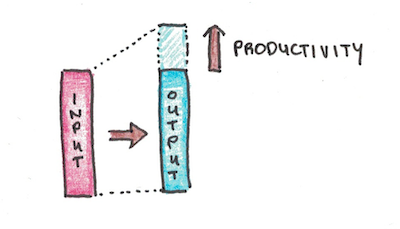

Before trying to improve your productivity, it is important to redefine what it means. Productivity is not about completing as many tasks as possible. It is about making progress on the things that truly matter.
You can spend an entire day working and still feel unproductive if your efforts are not aligned with your goals. On the other hand, a few focused hours of meaningful work can lead to significant results.
When you shift your focus from quantity to quality, your approach to work begins to change. You become more intentional about how you spend your time, and this leads to better outcomes.
The Role of Clarity in Productivity
One of the biggest reasons people struggle with productivity is a lack of clarity. When you are not sure what needs to be done or why it matters, it becomes difficult to stay focused.
Clarity starts with setting clear goals. These goals should be realistic and aligned with your priorities. When you know what you are working toward, it becomes easier to decide how to spend your time.
Taking a few moments at the start of your day to plan your tasks can make a significant difference. It helps you stay organized and prevents you from feeling overwhelmed.
Managing Your Energy, Not Just Your Time

Time management is important, but energy management is equally essential. You may have the time to work, but if you lack energy, your productivity will suffer.
Everyone has natural energy patterns throughout the day. Some people feel most focused in the morning, while others perform better in the afternoon or evening. Understanding your own rhythm allows you to schedule important tasks during your peak energy periods.
Taking care of your physical and mental well-being also plays a role in maintaining energy. Getting enough sleep, eating well, and taking breaks can improve your ability to stay focused and productive
.
Reducing Distractions in a Busy World
Distractions are one of the biggest obstacles to productivity. In a world filled with constant notifications and digital interruptions, maintaining focus can be challenging.
Reducing distractions starts with creating an environment that supports concentration. This may involve turning off unnecessary notifications, setting boundaries with others, or organizing your workspace.
It is also important to train your mind to stay focused. This takes practice, but over time, you can improve your ability to concentrate on a single task without getting sidetracked.
When you minimize distractions, you create space for deeper and more meaningful work.
The Power of Deep Focus


Deep focus is the ability to concentrate fully on a task without interruptions. This state of focus allows you to work more efficiently and produce higher-quality results.
Achieving deep focus requires intentional effort. It involves setting aside dedicated time for important tasks and eliminating potential distractions during that period.
When you work in a focused manner, you can complete tasks more quickly and with greater accuracy. This not only improves your productivity but also reduces stress.
Over time, developing the habit of deep focus can transform the way you work.
Building Productive Habits
Habits play a crucial role in productivity. When productive behaviors become part of your routine, they require less effort and become more consistent.
Building habits starts with small actions. Instead of trying to change everything at once, focus on one habit at a time. This makes the process more manageable and increases the likelihood of success.
Consistency is key. Repeating the same behavior regularly helps it become automatic. Over time, these habits create a strong foundation for productivity.
Learning to Prioritize Effectively

Not all tasks are equally important. One of the most valuable productivity skills is the ability to prioritize.
When you try to do everything at once, you end up spreading your energy too thin. This can lead to burnout and reduced effectiveness.
Focusing on high-impact tasks ensures that your efforts are directed toward meaningful outcomes. It is better to complete a few important tasks well than to rush through many tasks without purpose.
Prioritization allows you to make better use of your time and energy.
Avoiding Burnout While Staying Productive
Productivity should not come at the cost of your well-being. Pushing yourself too hard without rest can lead to burnout, which ultimately reduces your ability to perform.
Taking breaks is an essential part of maintaining productivity. Short periods of rest can help you recharge and return to your work with renewed focus.
It is also important to maintain a balance between work and personal life. This balance allows you to stay motivated and prevents exhaustion.
When you take care of yourself, you are better equipped to stay productive over the long term.
Staying Consistent Even When Motivation Fades
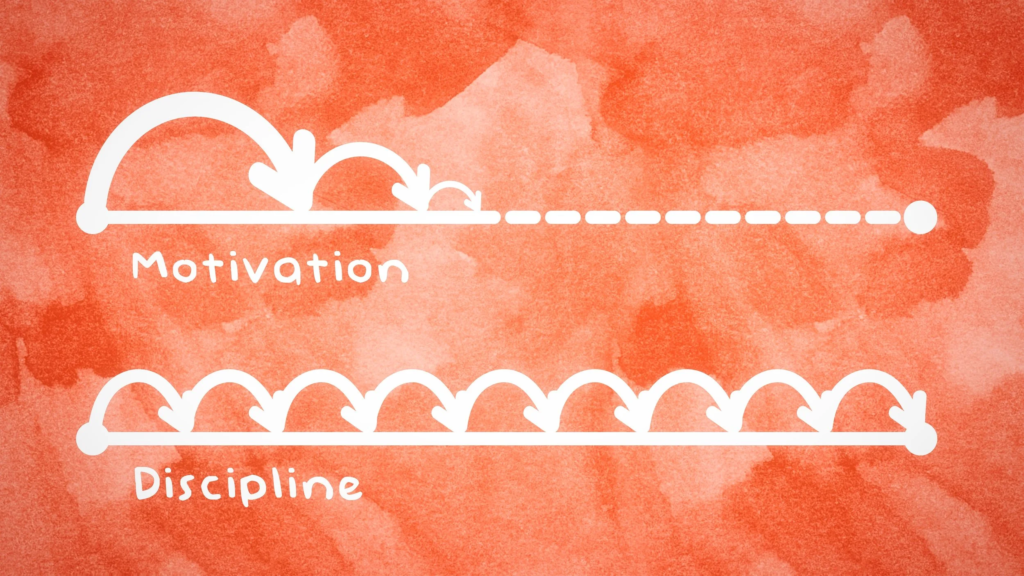
Motivation is often seen as the driving force behind productivity, but it is not always reliable. There will be days when you do not feel motivated to work.
During these times, consistency becomes more important than motivation. Having a routine and sticking to it helps you stay on track even when you do not feel like it.
Discipline allows you to take action regardless of your mood. Over time, this consistency leads to progress and builds confidence in your ability to stay productive.
Celebrating Progress and Staying Positive
Recognizing your progress is an important part of maintaining productivity. When you acknowledge your achievements, you reinforce positive behaviors and stay motivated.
Progress does not have to be dramatic to be meaningful. Small steps forward are just as important as big milestones.
Maintaining a positive mindset also plays a role in productivity. When you approach your work with a constructive attitude, it becomes easier to stay focused and overcome challenges.
Conclusion
Boosting your productivity is not about doing more work or pushing yourself to the limit. It is about working with intention, focus, and balance. By understanding your priorities, managing your energy, and building consistent habits, you can achieve more without feeling overwhelmed.
Productivity is a skill that can be developed over time. It requires patience, self-awareness, and a willingness to adapt. When you approach it with the right mindset, you can create a system that supports your goals and improves your daily life.
Ultimately, productivity is about making the most of your time and energy in a way that feels sustainable and fulfilling.
Frequently Asked Questions (FAQs)
1.How can I become more productive every day?
You can improve productivity by setting clear goals, reducing distractions, and focusing on high-priority tasks. Consistency and small daily improvements also make a big difference.
2.What is the best time to be productive?
The best time varies for each person. It depends on your natural energy levels. Identifying when you feel most focused can help you schedule important tasks effectively.
3.How do I stay focused while working?
Creating a distraction-free environment, setting clear goals, and working in dedicated time blocks can help improve focus.
4.Can taking breaks improve productivity?
Yes, taking breaks helps recharge your mind and prevents burnout. Short breaks can increase focus and efficiency.
5.What should I do if I feel unproductive?
If you feel unproductive, take a step back and reassess your priorities. Start with small tasks to build momentum and gradually move on to more important work.
Confidence Building for Beginners: How to Start Believing in Yourself Today
There’s a quiet struggle many people carry that others rarely see. It shows up in…

Self-Care Tips for Wellness: How to Feel Calm, Focused, and Energized
There are days when everything feels heavy. Your mind is crowded, your body feels slow,…

10 Powerful Lifestyle Changes to Improve Your Life Naturally
Have you ever had one of those days where everything feels heavy, even when you…

8 Common Relationship Mistakes and How to Avoid Them
Relationships are one of the most meaningful parts of life. They bring companionship, support, and…

15 Simple Ways to Increase Productivity at Work and Home
Productivity is often misunderstood as doing more in less time, but in reality, it is…

How to Build a Healthy and Balanced Lifestyle Step by Step
In today’s fast-moving world, the idea of living a healthy and balanced lifestyle often feels…