
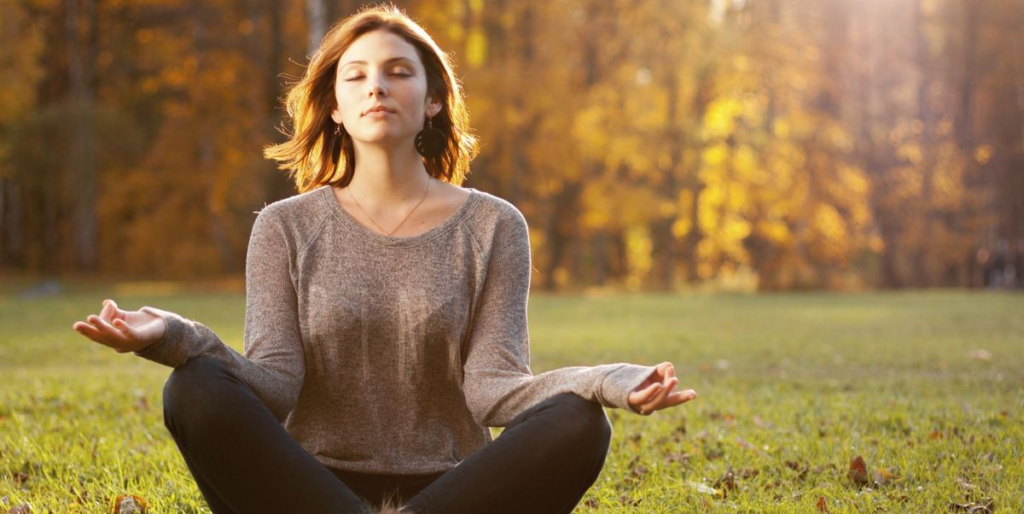
In today’s fast-paced world, wellness often feels like something complicated or out of reach. Many people associate it with strict routines, expensive products, or unrealistic standards. But true wellness is much simpler and more personal than that. It is not about perfection or constant self-improvement. It is about feeling balanced, energized, and at peace with yourself and your life.
Improving your wellness naturally and effectively does not require drastic changes. Instead, it involves small, consistent choices that support your physical, mental, and emotional well-being. When you begin to take a more mindful and intentional approach to your daily life, you start to notice a shift not only in how you feel but also in how you think and respond to the world around you.
This journey is not about quick fixes. It is about building a lifestyle that nurtures you from within.
Understanding What Wellness Really Means
Wellness is often misunderstood as simply being physically healthy. While physical health is an important part of it, wellness goes much deeper. It includes your mental clarity, emotional stability, and overall sense of fulfillment.
When all these aspects are in balance, you feel more aligned and capable of handling life’s challenges. Wellness is not a destination you reach and stay at forever. It is an ongoing process that evolves as your life changes.
By understanding wellness as a holistic concept, you can approach it in a way that feels more natural and sustainable.
The Role of Daily Habits in Shaping Your Wellness
Your daily habits play a powerful role in determining your overall well-being. The small actions you take each day may seem insignificant, but over time they create a lasting impact.
When your habits support your health, you begin to feel more energetic and focused. On the other hand, habits that drain your energy can lead to stress and fatigue.
Improving your wellness starts with becoming aware of these patterns. Once you recognize which habits are helping you and which are holding you back, you can begin to make adjustments that align with your goals.
Consistency is more important than intensity. Even small changes, when practiced regularly, can lead to meaningful improvements.
Nourishing Your Body With Simple Choices
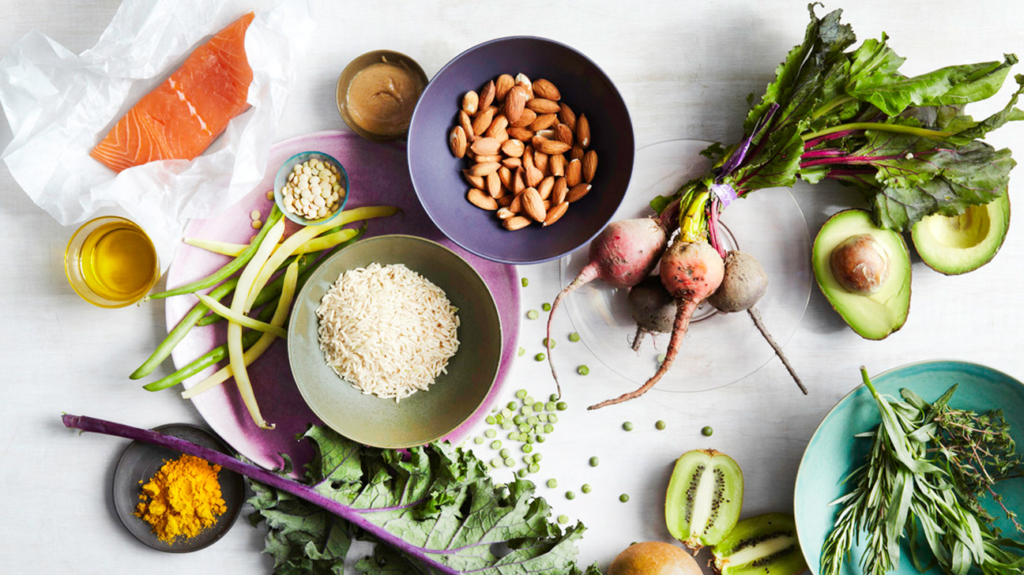
What you put into your body has a direct effect on how you feel. Nutrition does not have to be complicated or restrictive. It is about choosing foods that fuel your body and support your energy levels.
Eating balanced meals, staying hydrated, and listening to your body’s needs can make a significant difference. When you nourish your body properly, you naturally feel more active and alert.
At the same time, it is important to maintain a sense of balance. Allowing yourself to enjoy your favorite foods without guilt can help create a healthier relationship with eating.
Wellness is not about strict rules. It is about making choices that feel good and sustainable.
The Importance of Movement in Everyday Life
Physical activity is another key component of wellness, but it does not have to involve intense workouts or strict fitness routines. Movement can be simple and enjoyable.
Walking, stretching, or engaging in activities you enjoy can help improve your physical health and boost your mood. Movement also helps reduce stress and increases your overall sense of well-being.
The goal is to find a form of movement that fits naturally into your lifestyle. When you enjoy what you are doing, it becomes easier to stay consistent.
Regular movement not only benefits your body but also supports your mental and emotional health.
Taking Care of Your Mental and Emotional Health
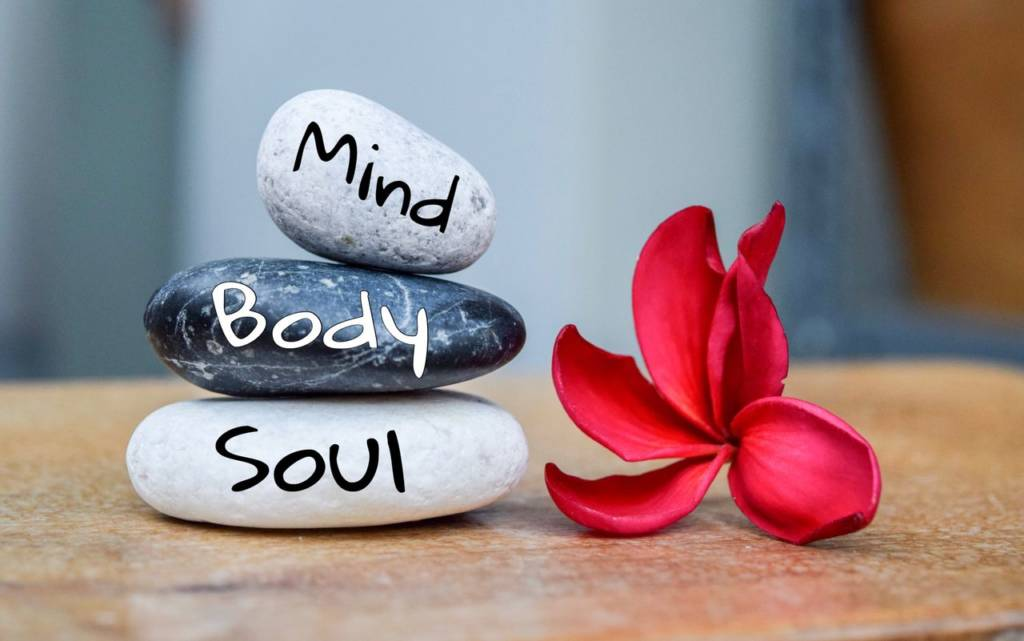
Your mind plays a central role in your overall wellness. When your thoughts are cluttered or negative, it can affect how you feel physically and emotionally.
Taking time to care for your mental health is essential. This might involve practicing mindfulness, reflecting on your thoughts, or simply allowing yourself to rest.
Emotional wellness also involves understanding and accepting your feelings. It is not about avoiding difficult emotions but learning how to process them in a healthy way.
When you create space for your thoughts and emotions, you develop a deeper sense of awareness and control over your well-being.
The Power of Rest and Recovery
In a culture that often values constant productivity, rest is sometimes overlooked. However, rest is essential for maintaining your wellness.
Your body and mind need time to recover from daily stress. Without proper rest, your energy levels decrease, and your ability to focus becomes limited.
Getting enough sleep and allowing yourself moments of relaxation can significantly improve your overall health. Rest is not a sign of weakness. It is a necessary part of living a balanced life.
When you prioritize rest, you give yourself the energy needed to handle your responsibilities more effectively.
Reducing Stress in a Natural Way
Stress is a natural part of life, but when it becomes overwhelming, it can negatively impact your wellness. Finding ways to manage stress naturally can help you maintain balance.
Simple practices such as deep breathing, spending time in nature, or engaging in activities you enjoy can help reduce stress levels. It is also important to recognize the sources of stress in your life and address them when possible.
Learning how to respond to stress rather than react to it can make a significant difference in your overall well-being.
Building Meaningful Connections

Human connection is an essential part of wellness. Strong relationships provide support, comfort, and a sense of belonging.
Spending time with people who uplift and understand you can improve your emotional health. Meaningful conversations and shared experiences create a sense of connection that contributes to your overall happiness.
At the same time, it is important to set boundaries with relationships that may drain your energy. Surrounding yourself with positive influences helps create a healthier and more balanced lifestyle.
Creating a Balanced Lifestyle
Balance is at the heart of wellness. It involves finding a way to manage your responsibilities while still making time for yourself.
A balanced lifestyle does not mean dividing your time equally among all areas of your life. It means giving attention to what matters most at any given moment.
There will be times when work requires more focus and other times when you need to prioritize rest or relationships. Being flexible and adaptable allows you to maintain balance without feeling overwhelmed.
When your life feels balanced, you are more likely to experience a sense of calm and fulfillment.
Listening to Your Body and Mind
One of the most important aspects of improving your wellness is learning to listen to yourself. Your body and mind often give you signals when something is not right.
Ignoring these signals can lead to burnout or health issues. Paying attention to how you feel allows you to respond in a way that supports your well-being.
This might involve taking a break when you feel tired, adjusting your routine, or seeking support when needed.
Self-awareness is a powerful tool that helps you make better choices for your health.

Staying Consistent With Your Wellness Journey
Improving your wellness is not about making perfect choices every day. It is about staying consistent and committed to your well-being.
There will be days when you feel motivated and others when it feels more challenging. What matters is your willingness to keep going.
Small steps taken consistently can lead to significant changes over time. By focusing on progress rather than perfection, you create a more positive and sustainable approach to wellness.
Conclusion
Improving your wellness naturally and effectively is a journey that begins with simple, intentional choices. It is about creating a lifestyle that supports your physical health, nurtures your mind, and allows you to feel emotionally balanced.
By focusing on habits, nourishment, movement, rest, and meaningful connections, you can build a foundation for long-term well-being. The key is to approach wellness with patience and self-compassion.
You do not need to change everything at once. Start where you are, make small adjustments, and allow your lifestyle to evolve over time.
Your wellness is not something you achieve overnight. It is something you cultivate every day.
Frequently Asked Questions (FAQs)
1.What is the best way to improve wellness naturally?
The best way is to focus on simple habits such as eating balanced meals, staying active, getting enough rest, and managing stress.
2.How long does it take to see results in wellness?
It depends on consistency. Some changes can be felt within days, while others may take weeks or months.
3.Can I improve my wellness without strict routines?
Yes, wellness does not require strict routines. Flexible and consistent habits are more sustainable.
4.How important is mental health in overall wellness?
Mental health is a key part of wellness. It affects how you think, feel, and respond to daily life.
5.What are simple ways to reduce stress naturally?
Practices like deep breathing, spending time in nature, and engaging in relaxing activities can help reduce stress.
6.Do I need to follow a specific diet for wellness?
No, focusing on balanced and nutritious food choices is more important than following strict diets.
7.Can small changes really improve wellness?
Yes, small and consistent changes can lead to significant improvements over time.
Confidence Building for Beginners: How to Start Believing in Yourself Today
There’s a quiet struggle many people carry that others rarely see. It shows up in…

Self-Care Tips for Wellness: How to Feel Calm, Focused, and Energized
There are days when everything feels heavy. Your mind is crowded, your body feels slow,…

10 Powerful Lifestyle Changes to Improve Your Life Naturally
Have you ever had one of those days where everything feels heavy, even when you…

8 Common Relationship Mistakes and How to Avoid Them
Relationships are one of the most meaningful parts of life. They bring companionship, support, and…

15 Simple Ways to Increase Productivity at Work and Home
Productivity is often misunderstood as doing more in less time, but in reality, it is…

How to Build a Healthy and Balanced Lifestyle Step by Step
In today’s fast-moving world, the idea of living a healthy and balanced lifestyle often feels…