
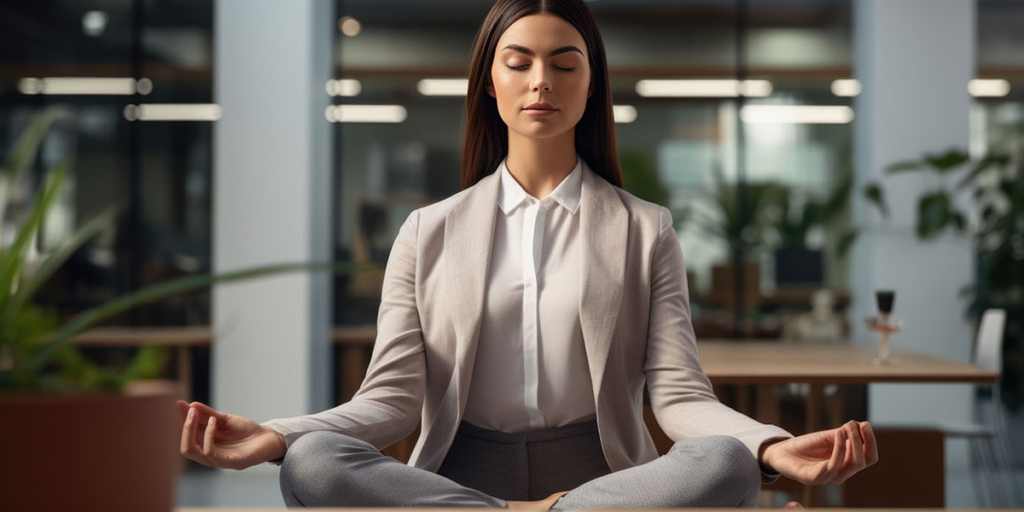
In recent years, the idea of wellness has undergone a quiet but powerful transformation. It is no longer limited to physical fitness or occasional self-care routines. Today, wellness represents a complete way of living, one that includes mental clarity, emotional balance, physical vitality, and a deeper sense of purpose. As more people turn to platforms like Google to explore healthier lifestyles, it is clear that wellness has become a central focus in modern life.
But despite its growing popularity, wellness can often feel confusing or overwhelming. With so much information available, it is easy to believe that achieving a healthy and balanced life requires complicated routines or drastic changes. The truth is much simpler. Wellness is not about perfection. It is about alignment, consistency, and understanding what truly supports your well-being.
Rethinking What Wellness Really Means

For many people, wellness used to mean following strict diets, intense workout plans, or rigid routines. While these can be beneficial, they do not represent the full picture.
Wellness is about how you feel in your daily life. It includes your energy levels, your mindset, your emotional state, and your ability to handle challenges. It is a reflection of how well different areas of your life work together.
When you redefine wellness in this way, it becomes more personal and flexible. It allows you to create a lifestyle that supports your unique needs rather than trying to follow a one-size-fits-all approach.
The Foundation of a Balanced Life
A healthy and balanced life begins with a strong foundation. This foundation is built on awareness and intention.
Awareness helps you understand your current habits, thoughts, and behaviors. It allows you to recognize what is working and what needs improvement.
Intention guides your actions. It helps you make choices that align with your goals and values.
Together, awareness and intention create a powerful starting point for building wellness.
The Role of Mental Clarity in Wellness
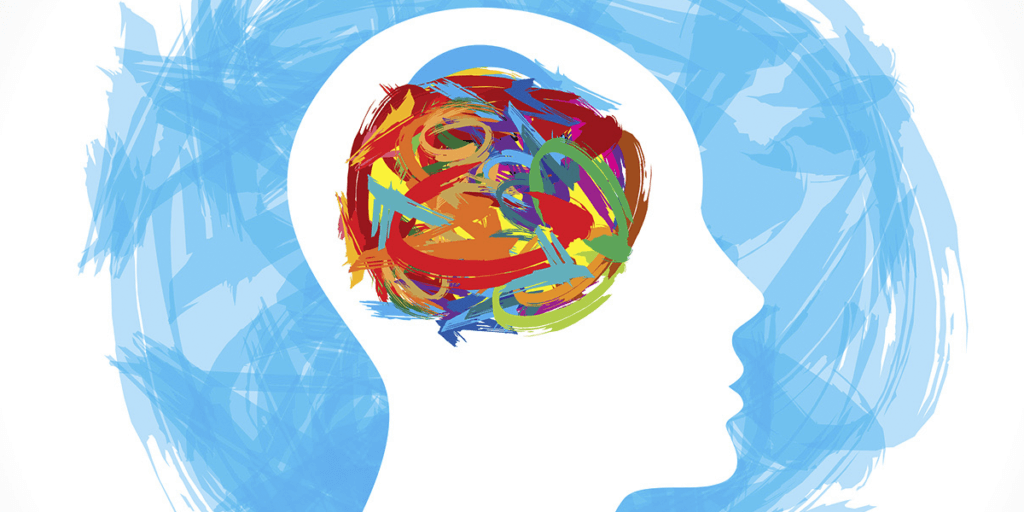
Mental clarity is often overlooked, yet it plays a crucial role in your overall well-being. A cluttered or overwhelmed mind can affect every aspect of your life.
Creating mental clarity involves reducing unnecessary distractions and giving your mind space to rest.
This can be achieved through simple practices such as reflection, mindfulness, or taking breaks from constant stimulation.
When your mind is clear, you think more effectively, make better decisions, and feel more in control.
Mental clarity supports a sense of calm and focus that is essential for a balanced life.
Emotional Balance as a Key Element
Emotional health is another important part of wellness. Your emotions influence how you experience life and interact with others.
Achieving emotional balance does not mean avoiding difficult feelings. It means understanding and managing them in a healthy way.
This involves being aware of your emotions, accepting them, and responding thoughtfully rather than reacting impulsively.
When you develop emotional balance, you become more resilient and better equipped to handle challenges.
This stability creates a sense of inner peace that enhances your overall well-being.
Physical Well-Being Without Pressure
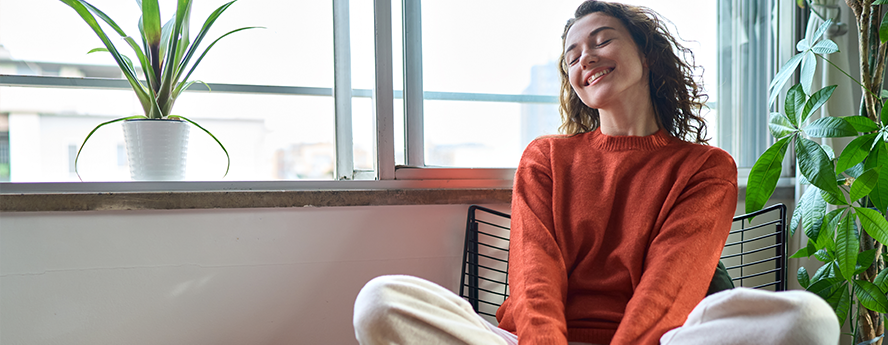
Physical health is often the most visible aspect of wellness, but it should not be approached with pressure or extremes.
Instead of focusing on perfection, focus on consistency and care. Pay attention to how your body feels and what it needs.
Simple actions such as moving regularly, staying hydrated, and getting enough rest can have a significant impact.
Physical well-being is not about meeting unrealistic standards. It is about supporting your body in a way that feels sustainable and natural.
When you treat your body with respect, you create a foundation for long-term health.
The Importance of Daily Habits
Your daily habits shape your lifestyle more than occasional efforts. Small, consistent actions create lasting change.
Building a healthy routine does not require complexity. It can start with simple practices that fit into your day.
These habits might include taking time to reflect, prioritizing rest, or creating moments of calm.
Over time, these small actions become part of your lifestyle and contribute to your overall wellness.
Consistency is what turns intention into reality.
Creating Balance in a Busy World

One of the biggest challenges people face is maintaining balance in a fast-paced environment. Responsibilities, technology, and constant demands can make it difficult to slow down.
Creating balance does not mean eliminating responsibilities. It means managing them in a way that supports your well-being.
This may involve setting boundaries, prioritizing your time, and allowing yourself moments of rest.
Balance is not about doing everything perfectly. It is about finding a rhythm that works for you.
When you create balance, you reduce stress and increase your sense of control.
The Power of Mindful Living
Mindful living is a key aspect of wellness. It involves being present and fully engaged in your experiences.
Instead of rushing through your day, mindfulness encourages you to slow down and pay attention.
This awareness allows you to appreciate simple moments and make more conscious choices.
Mindful living reduces stress and enhances your connection to yourself and your surroundings.
It transforms ordinary experiences into meaningful ones.

A truly balanced life goes beyond physical and emotional health. It includes a sense of purpose.
Purpose gives your life direction and meaning. It helps you stay motivated and focused on what matters.
When your actions align with your values and goals, you feel more fulfilled.
This alignment creates a deeper sense of satisfaction and contributes to your overall wellness.
Purpose is not something you find instantly. It develops over time through reflection and experience.
Building a Supportive Environment
Your environment has a significant impact on your well-being. The spaces you live and work in influence your mood, energy, and focus.
Creating a supportive environment involves making small changes that promote comfort and clarity.
This could include organizing your space, reducing clutter, or adding elements that make you feel calm.
A positive environment supports your habits and helps you maintain balance.
It acts as a foundation for your wellness journey.
Overcoming Challenges and Setbacks

No wellness journey is without challenges. There will be times when you feel unmotivated, overwhelmed, or unsure.
These moments are a natural part of the process. They do not mean you have failed.
The key is to approach setbacks with patience and understanding.
Instead of being critical of yourself, focus on what you can learn and how you can move forward.
Resilience is built through these experiences, and it strengthens your ability to maintain wellness.
The Role of Consistency and Patience
Building a healthy and balanced life takes time. It is not something that happens overnight.
Consistency is what creates lasting change. Even small efforts, when practiced regularly, lead to significant results.
Patience allows you to stay committed without feeling discouraged.
When you combine consistency with patience, you create a sustainable approach to wellness.
This approach ensures that your progress continues over time.
Redefining Success in Wellness

Success in wellness is not about achieving perfection or meeting external standards. It is about how you feel in your daily life.
Do you feel energized, balanced, and at peace? Are your actions aligned with your values?
These are the true indicators of wellness.
By redefining success in this way, you remove pressure and focus on what truly matters.
This perspective allows you to create a lifestyle that feels authentic and fulfilling.
Conclusion
Wellness is not a destination. It is a continuous journey of growth, awareness, and balance. By redefining what wellness means and focusing on simple, consistent changes, you can create a life that feels healthy and aligned.
In a world that often emphasizes speed and productivity, choosing wellness is a powerful act of self-care. It allows you to slow down, reconnect with yourself, and live with intention.
Building a healthy and balanced life does not require perfection. It requires awareness, patience, and a commitment to making choices that support your well-being.
As you continue on this journey, you will discover that wellness is not something you achieve once. It is something you cultivate every day.
FAQs
1. What does wellness really mean?
Wellness is a holistic approach to health that includes physical, mental, emotional, and overall well-being.
2. How can I start building a balanced life?
You can start by becoming aware of your habits, setting simple goals, and making small, consistent changes.
3. Is wellness only about physical health?
No, wellness includes mental clarity, emotional balance, and a sense of purpose in addition to physical health.
4. How long does it take to see results from lifestyle changes?
Some changes can have immediate effects, while others require consistency over time to show results.
5. Can anyone achieve a healthy and balanced life?
Yes, wellness is accessible to everyone and can be adapted to fit individual needs and lifestyles.
Confidence Building for Beginners: How to Start Believing in Yourself Today
There’s a quiet struggle many people carry that others rarely see. It shows up in…

Self-Care Tips for Wellness: How to Feel Calm, Focused, and Energized
There are days when everything feels heavy. Your mind is crowded, your body feels slow,…

10 Powerful Lifestyle Changes to Improve Your Life Naturally
Have you ever had one of those days where everything feels heavy, even when you…

8 Common Relationship Mistakes and How to Avoid Them
Relationships are one of the most meaningful parts of life. They bring companionship, support, and…

15 Simple Ways to Increase Productivity at Work and Home
Productivity is often misunderstood as doing more in less time, but in reality, it is…

How to Build a Healthy and Balanced Lifestyle Step by Step
In today’s fast-moving world, the idea of living a healthy and balanced lifestyle often feels…