
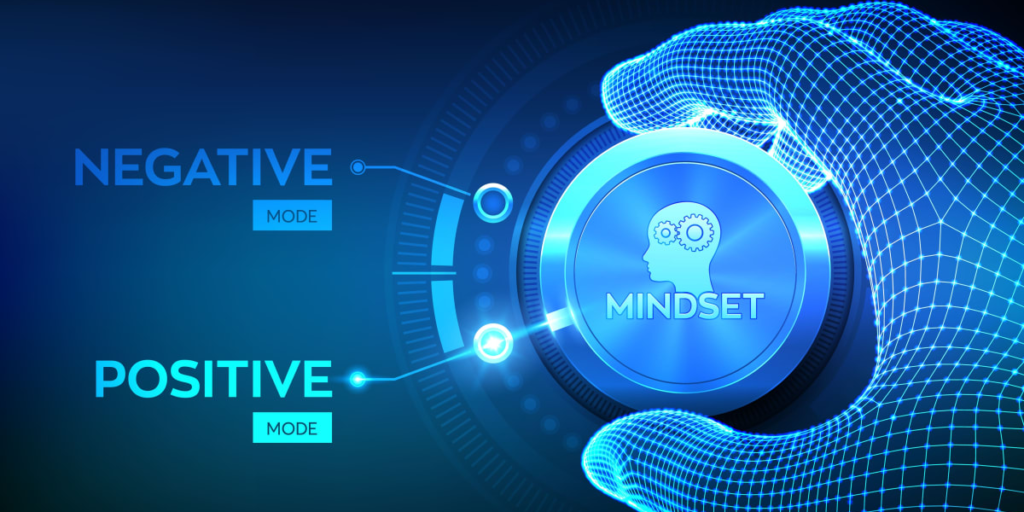
Success is often seen as the result of talent, luck, or opportunity. While these factors can play a role, they are rarely the foundation of long-term achievement. At the core of both personal and professional success lies something far more powerful and consistent: mindset.
A winning mindset is not something you are born with. It is something you develop over time through your thoughts, habits, and actions. It shapes how you respond to challenges, how you view failures, and how you approach growth. When your mindset is strong, you are able to navigate life with clarity, confidence, and resilience.
Building a winning mindset is not about becoming perfect or always feeling motivated. It is about creating a mental framework that supports progress, even when things are difficult. It is about learning how to think in a way that moves you forward rather than holding you back.
Understanding What a Winning Mindset Really Means

A winning mindset is often misunderstood as constant positivity or an unshakable belief that everything will go perfectly. In reality, it is much more balanced and grounded than that.
It involves having a realistic perspective while maintaining a strong belief in your ability to improve and succeed. It is about being willing to learn, adapt, and grow through every experience, whether it is positive or challenging.
People with a winning mindset do not avoid difficulties. Instead, they face them with determination and a willingness to find solutions. They understand that setbacks are part of the journey and use them as opportunities to learn.
The Power of Self-Belief
One of the most important components of a winning mindset is self-belief. How you see yourself has a direct impact on what you are willing to attempt and achieve.
When you believe in your abilities, you are more likely to take action, step outside your comfort zone, and pursue your goals. Without self-belief, even the best opportunities can go unused.
Building self-belief does not mean ignoring your weaknesses. It means acknowledging them while also recognizing your strengths and potential. Over time, as you take action and see progress, your confidence grows naturally.
Shifting From a Fixed Mindset to a Growth Mindset
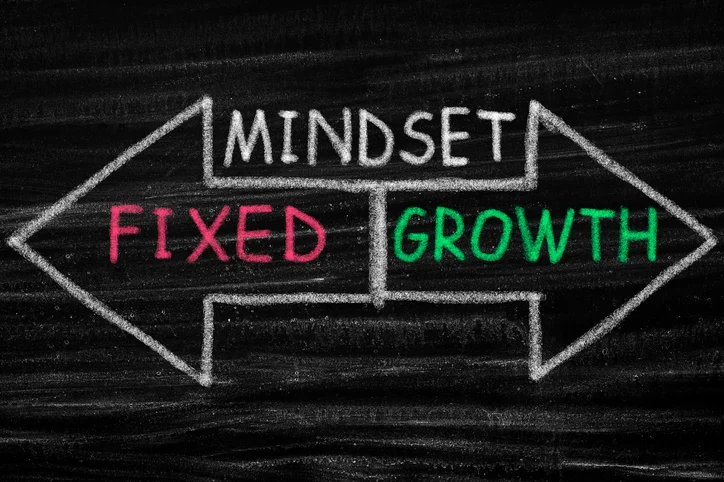
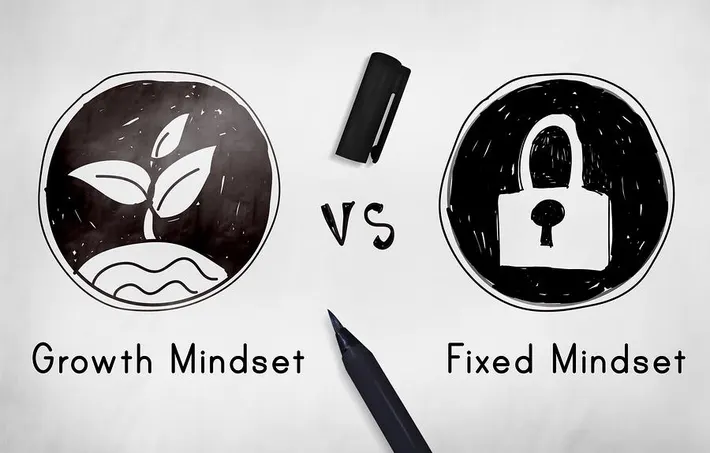
A fixed mindset is the belief that your abilities and intelligence are static. This perspective can limit your potential because it makes you avoid challenges and fear failure.
In contrast, a growth mindset is the belief that you can improve through effort and learning. This mindset encourages you to embrace challenges and view failures as opportunities to grow.
Making this shift requires awareness. It involves noticing when you are holding yourself back with limiting beliefs and choosing to approach situations differently.
When you adopt a growth mindset, you become more open to learning and more resilient in the face of setbacks.
Embracing Discipline Over Motivation
Motivation can be powerful, but it is not always reliable. There will be days when you feel inspired and days when you do not. Relying solely on motivation can make it difficult to stay consistent.
Discipline, on the other hand, allows you to take action regardless of how you feel. It creates structure and consistency, which are essential for long-term success.
Building discipline involves creating routines and sticking to them. It requires commitment and the ability to follow through, even when it feels challenging.
Over time, discipline becomes a habit, making it easier to stay on track and achieve your goals.
Learning to Handle Failure Constructively

Failure is often seen as something to avoid, but it is an essential part of growth. Every successful person has faced setbacks and learned from them.
A winning mindset allows you to view failure differently. Instead of seeing it as a reflection of your worth, you see it as feedback.
When you approach failure with curiosity rather than fear, you gain valuable insights. These insights help you improve and make better decisions in the future.
Learning to handle failure constructively builds resilience and strengthens your mindset.
Developing Focus and Clarity
Success requires focus. Without it, it is easy to become distracted or overwhelmed by too many options.
A clear sense of direction helps you prioritize your time and energy. It allows you to concentrate on what truly matters rather than spreading yourself too thin.
Developing focus involves setting clear goals and breaking them down into manageable steps. It also requires minimizing distractions and staying committed to your priorities.
When you have clarity, your actions become more intentional, leading to better results.
Managing Your Thoughts and Emotions

Your thoughts influence your emotions, and your emotions influence your actions. Learning to manage both is a key part of building a winning mindset.
Negative thoughts can create doubt and limit your potential. While it is not possible to eliminate them completely, you can learn to respond to them in a healthier way.
Practicing awareness helps you recognize unhelpful thought patterns. Once you identify them, you can choose to shift your perspective and focus on more constructive thinking.
Emotional control does not mean suppressing your feelings. It means understanding them and responding in a way that supports your goals.
Surrounding Yourself With the Right Influences
The people you spend time with can have a significant impact on your mindset. Supportive and positive individuals can encourage growth, while negative influences can hold you back.
Choosing to surround yourself with people who inspire and challenge you can help you stay motivated and focused.
This does not mean cutting off everyone who disagrees with you. It means being mindful of the energy and influence that others bring into your life.
A strong support system can make a big difference in your journey toward success.
Staying Consistent in Your Efforts
Consistency is one of the most important factors in achieving success. Small, repeated actions over time lead to significant results.
A winning mindset emphasizes the importance of showing up every day, even when progress feels slow. It is about trusting the process and staying committed to your goals.
Consistency builds momentum. As you continue to take action, your confidence grows, and your results improve.
Balancing Personal and Professional Growth


Success is not limited to your career. Personal growth is equally important and contributes to your overall well-being.
A winning mindset involves finding balance between your professional ambitions and your personal life. It means taking care of your health, relationships, and mental well-being while pursuing your goals.
When both areas are aligned, you are more fulfilled and better equipped to handle challenges.
Maintaining a Long-Term Perspective
Building a winning mindset requires patience. Success does not happen overnight, and expecting immediate results can lead to frustration.
A long-term perspective helps you stay focused on your journey rather than short-term outcomes. It allows you to appreciate progress and remain committed even during difficult times.
When you focus on the bigger picture, setbacks become temporary obstacles rather than permanent failures.
Conclusion
Building a winning mindset is a continuous process. It requires self-awareness, effort, and a willingness to grow. By developing self-belief, embracing discipline, and learning from challenges, you can create a mindset that supports both personal and professional success.
Your mindset shapes your reality. When you choose to think in a way that empowers you, you open the door to new opportunities and possibilities.
Success is not just about what you achieve, but about who you become in the process. With the right mindset, you can navigate your journey with confidence, resilience, and purpose.
Frequently Asked Questions (FAQs)
1.How can I start building a winning mindset?
You can start by becoming aware of your thoughts, setting clear goals, and focusing on consistent action. Small changes in thinking can lead to significant results over time.
2.Is a winning mindset something you are born with?
No, a winning mindset is developed through experience, learning, and practice. Anyone can build it with effort and dedication.
3.How do I stay positive during difficult times?
Focus on what you can control, learn from challenges, and remind yourself of your long-term goals. Maintaining perspective helps you stay strong.
4.Can mindset really affect success?
Yes, mindset plays a major role in how you approach challenges, make decisions, and take action. It directly influences your results.
5.How long does it take to develop a strong mindset?
It varies for each person, but developing a strong mindset is an ongoing process. Consistency and self-awareness are key to long-term growth.
Confidence Building for Beginners: How to Start Believing in Yourself Today
There’s a quiet struggle many people carry that others rarely see. It shows up in…

Self-Care Tips for Wellness: How to Feel Calm, Focused, and Energized
There are days when everything feels heavy. Your mind is crowded, your body feels slow,…

10 Powerful Lifestyle Changes to Improve Your Life Naturally
Have you ever had one of those days where everything feels heavy, even when you…

8 Common Relationship Mistakes and How to Avoid Them
Relationships are one of the most meaningful parts of life. They bring companionship, support, and…

15 Simple Ways to Increase Productivity at Work and Home
Productivity is often misunderstood as doing more in less time, but in reality, it is…

How to Build a Healthy and Balanced Lifestyle Step by Step
In today’s fast-moving world, the idea of living a healthy and balanced lifestyle often feels…