
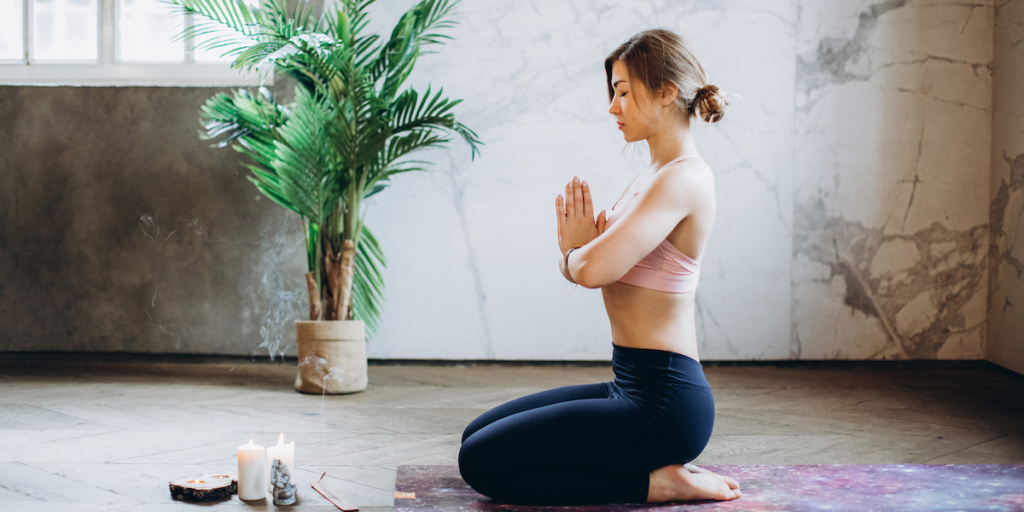
In today’s fast-moving world, wellness often feels like something that requires extra time, money, or access to special resources. Many people believe they need a gym membership, a strict routine, or a complete lifestyle overhaul to feel better. But the truth is, improving your mental and physical wellness can begin right where you are—at home.
Your home environment has a powerful influence on how you think, feel, and function every day. It is the place where your habits are formed, your energy is restored, and your mindset is shaped. By making small, intentional changes within your living space and daily routine, you can significantly improve your overall well-being.
Wellness is not about perfection. It is about consistency, awareness, and taking care of yourself in a way that feels sustainable. When you focus on both your mental and physical health together, you create a balanced lifestyle that supports long-term happiness and stability.
Understanding the Connection Between Mind and Body

Mental and physical wellness are deeply connected. When one is neglected, the other is often affected. For example, stress and anxiety can lead to physical fatigue, while poor physical health can impact your mood and energy levels.
Improving your wellness at home begins with recognizing this connection. Instead of treating your mind and body as separate, it is helpful to see them as parts of a whole system that works together.
When you take care of your physical health, your mind feels clearer and more stable. Similarly, when your mental health is strong, you are more motivated to maintain healthy physical habits. This balance is essential for overall well-being.
Creating a Calm and Supportive Environment
Your surroundings play a major role in your mental state. A cluttered or chaotic space can create stress and make it difficult to relax, while a calm and organized environment can help you feel more at ease.
Improving your home environment does not require major changes. Simple actions such as decluttering your space, organizing your belongings, and letting in natural light can have a positive impact.
Creating a dedicated space for relaxation or reflection can also be beneficial. This could be a corner where you sit quietly, read, or simply take a break from your daily routine. Having a space that feels peaceful allows your mind to reset.
Building a Consistent Daily Routine

A consistent routine provides structure and stability, which are essential for both mental and physical wellness. When your day feels predictable in a positive way, it reduces stress and helps you stay focused.
Your routine does not need to be rigid. Instead, it should include simple habits that support your well-being, such as waking up at a regular time, setting aside moments for rest, and maintaining a balanced schedule.
Consistency is more important than intensity. Small, regular actions are more effective than occasional bursts of effort. Over time, these habits become part of your lifestyle and contribute to lasting improvement.
Moving Your Body Regularly
Physical activity is one of the most effective ways to improve both your physical and mental health. You do not need a gym or special equipment to stay active. There are many ways to move your body at home.
Simple exercises, stretching, or even walking around your home can make a difference. The goal is to keep your body engaged and avoid long periods of inactivity.
Movement helps improve circulation, increase energy levels, and release tension. It also has a positive effect on your mood by reducing stress and promoting a sense of well-being.
When you make movement a regular part of your day, it becomes easier to maintain both your physical and mental health.
Nourishing Your Body With Balanced Nutrition

What you eat has a direct impact on how you feel. A balanced diet provides the nutrients your body needs to function properly and supports your overall health.
Improving your nutrition at home does not require strict dieting. It involves making mindful choices about what you consume. Including a variety of whole foods, staying hydrated, and maintaining regular meal times can improve your energy levels and mood.
Eating in a calm and focused manner can also enhance your experience. Taking the time to enjoy your meals allows you to connect with your body and recognize when you are satisfied.
Prioritizing Rest and Sleep
Rest is an essential part of wellness that is often overlooked. Without proper rest, both your mental and physical health can suffer.
Sleep plays a crucial role in restoring your body and mind. It helps improve concentration, regulate emotions, and support overall health.
Creating a relaxing bedtime routine can improve the quality of your sleep. This might include reducing screen time, creating a comfortable sleeping environment, and maintaining a consistent sleep schedule.
When you prioritize rest, you give your body the opportunity to recover and function at its best.
Managing Stress Effectively

Stress is a natural part of life, but unmanaged stress can have a negative impact on your well-being. Learning how to manage stress at home is an important step toward improving your wellness.
Taking time to pause and relax during the day can help reduce stress levels. Activities such as deep breathing, quiet reflection, or simply stepping away from your tasks can provide relief.
It is also important to recognize what triggers your stress. Understanding these triggers allows you to respond more effectively and make adjustments to your routine.
Managing stress is not about eliminating it completely, but about finding healthy ways to cope with it.
Staying Mentally Engaged and Positive
Your mental wellness is influenced by how you think and what you focus on. Staying mentally engaged and maintaining a positive outlook can improve your overall well-being.
Engaging in activities that stimulate your mind, such as reading, learning something new, or pursuing a hobby, keeps your mind active and curious.
At the same time, practicing gratitude and focusing on positive aspects of your life can shift your mindset. This does not mean ignoring challenges, but rather choosing to approach them with a balanced perspective.
Over time, these practices help create a more resilient and optimistic mindset.
Maintaining Social Connections
Even when you are at home, staying connected with others is important for your mental health. Relationships provide support, comfort, and a sense of belonging.
Regular communication with friends, family, or loved ones can help you feel less isolated. This can be done through conversations, shared activities, or simply checking in with each other.
Meaningful connections contribute to emotional well-being and create a support system that helps you navigate challenges.

Being Kind to Yourself
One of the most important aspects of wellness is self-compassion. It is easy to be critical of yourself, especially when things do not go as planned.
Being kind to yourself means acknowledging your efforts and allowing yourself to grow without harsh judgment. It involves accepting that progress takes time and that setbacks are part of the process.
When you treat yourself with understanding and patience, it becomes easier to maintain healthy habits and stay motivated.
Conclusion
Improving your mental and physical wellness at home is not about making drastic changes or following a perfect routine. It is about creating a supportive environment and building habits that nurture your well-being.
By focusing on small, consistent actions such as moving your body, managing stress, prioritizing rest, and maintaining positive connections, you can create a balanced and fulfilling lifestyle.
Your home can become a place of growth, healing, and renewal. When you take intentional steps to care for yourself, you begin to feel better not just physically, but mentally and emotionally as well.
Wellness is a journey, and every step you take brings you closer to a healthier and more balanced life.
Frequently Asked Questions (FAQs)
1.How can I improve my wellness without going outside?
You can improve your wellness at home by staying active, maintaining a healthy diet, creating a routine, and taking time for relaxation and mental well-being.
2.How long does it take to see improvements in wellness?
Small improvements can be noticed within a few days, but lasting changes usually take consistent effort over time.
3.Can mental wellness improve physical health?
Yes, mental wellness has a strong impact on physical health. Reduced stress and a positive mindset can improve energy levels and overall health.
4.What are simple daily habits for better wellness?
Simple habits include regular movement, balanced meals, proper sleep, and taking breaks to relax and reflect.
5.How do I stay consistent with my wellness routine?
Start with small, manageable changes and build gradually. Consistency comes from creating habits that fit naturally into your daily life.
Confidence Building for Beginners: How to Start Believing in Yourself Today
There’s a quiet struggle many people carry that others rarely see. It shows up in…

Self-Care Tips for Wellness: How to Feel Calm, Focused, and Energized
There are days when everything feels heavy. Your mind is crowded, your body feels slow,…

10 Powerful Lifestyle Changes to Improve Your Life Naturally
Have you ever had one of those days where everything feels heavy, even when you…

8 Common Relationship Mistakes and How to Avoid Them
Relationships are one of the most meaningful parts of life. They bring companionship, support, and…

15 Simple Ways to Increase Productivity at Work and Home
Productivity is often misunderstood as doing more in less time, but in reality, it is…

How to Build a Healthy and Balanced Lifestyle Step by Step
In today’s fast-moving world, the idea of living a healthy and balanced lifestyle often feels…